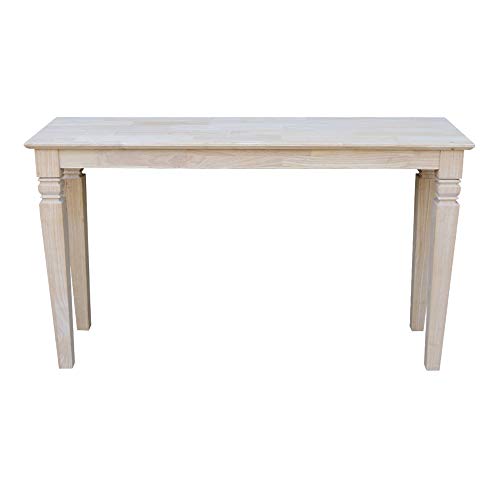
Prioritizing Material Durability and Texture
The material of your kitchen table dictates both its visual warmth and its ability to withstand the rigors of daily use. When browsing international concepts, you will often encounter a variety of finishes, including solid wood, high-quality veneers, and engineered composites. If you have young children or host frequent dinner parties, prioritize surfaces that are resistant to heat, moisture, and scratches. Solid wood offers unparalleled longevity and a natural grain that ages beautifully, but it requires more careful maintenance. Conversely, high-pressure laminates or treated veneers can offer a more uniform look and easier cleanup, making them ideal for high-traffic family kitchens. Consider how the texture of the tabletop will feel under your hands and how the light in your room will interact with the finish—matte surfaces hide fingerprints better, while polished finishes add a sense of luxury and brightness.
Scale, Shape, and Spatial Flow
A common mistake in kitchen planning is selecting a table that is either too imposing for the room or too small to be functional. The shape of the table should be a direct response to the geometry of your dining area. Rectangular tables are the gold standard for traditional dining rooms and larger families, providing a clear sense of order and ample seating along the long edges. However, if your kitchen is a more fluid, open-concept space, a round or oval table can soften the hard lines of cabinetry and encourage more conversational seating arrangements. Round tables are particularly effective in smaller footprints because they lack sharp corners, allowing for smoother movement around the perimeter. When measuring, always ensure there is at least 36 inches of clearance between the table edge and the nearest wall or piece of furniture to allow chairs to be pulled out comfortably.
Style Integration and Aesthetic Cohesion
Your kitchen table does not exist in a vacuum. It must harmonize with your existing cabinetry, flooring, and lighting. International concepts often lean into specific design languages. If your kitchen features shaker-style cabinets and subway tile, a trestle-base table with a weathered finish will reinforce that cozy, transitional feel. If your space is defined by stainless steel appliances and quartz countertops, a table with clean lines and a minimalist pedestal base will feel more intentional. Pay close attention to the base design—legs, pedestals, or trestles—as these elements often carry the most stylistic weight. A heavy, chunky base provides a sense of permanence and stability, whereas slim, tapered legs can make a small kitchen feel more airy and expansive.
Seating Capacity and Versatility
Before finalizing your choice, visualize your most frequent dining scenarios. Do you need a table that can expand for holiday gatherings? Look for models that include integrated leaves or extendable mechanisms. For smaller, everyday meals, consider how the table accommodates various chair styles. A pedestal base is often superior for maximizing seating capacity because it eliminates the obstacle of corner legs, allowing you to tuck chairs in more tightly. Ultimately, the best table is one that balances your immediate spatial constraints with your future lifestyle needs, serving as a reliable stage for both quick breakfasts and celebratory feasts.