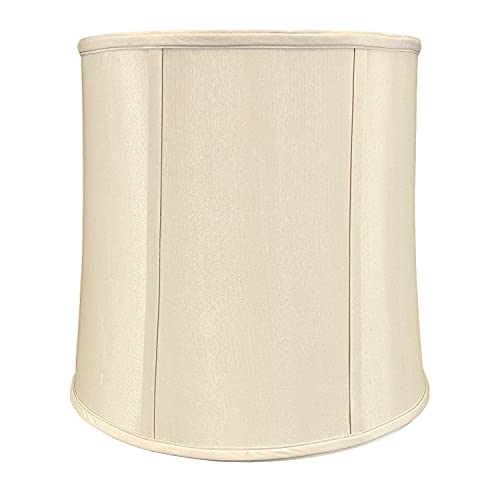
Understanding Shade Materials and Light Diffusion
The material of your shade is the most critical factor in determining how light interacts with your space. Fabric shades, such as linen, silk, or cotton, are the gold standard for creating a warm, diffused glow. Linen offers a textured, organic look that works beautifully in transitional or farmhouse settings, while silk provides a more formal, sophisticated sheen. If you want to maximize light output, look for lighter-colored fabrics. If you prefer a cozy, intimate atmosphere, darker or thicker fabrics will absorb more light, creating a more dramatic effect.
For a more modern or industrial aesthetic, consider glass or metal shades. Glass shades can be clear, frosted, or colored, allowing you to manipulate the intensity and hue of the light. Frosted glass is excellent for reducing glare, while colored glass can cast a specific tint across a room. Metal shades, often found in task lighting, are designed to direct light downward in a concentrated beam, making them ideal for reading lamps or desk setups.
Measuring for a Perfect Fit: The Fitter Type
One of the most common mistakes in purchasing a replacement shade is ignoring the fitter. A shade that doesn't fit your lamp base is useless, regardless of how beautiful it looks. There are three primary types of fitters you must identify:
- Spider Fitter: This is the most common type. It features a central ring that sits atop a harp (a metal wire structure) attached to the lamp base. The shade is held in place by a finial at the top.
- Uno Fitter: These shades have a recessed ring that fits directly over the lamp's socket. They are common in vintage-style lamps and do not require a harp.
- Slip UNO/Clip-on: These are designed to attach directly to the bulb itself or a small ring around the socket, making them ideal for small accent lamps or quick updates.
Before purchasing, always measure the diameter of your lamp's socket or the height of your existing harp to ensure compatibility.
Proportions and Scale
The scale of the shade relative to the lamp base determines the visual balance of your room. A shade that is too small will make the lamp look top-heavy and awkward, while a shade that is too large can overwhelm the fixture and the tabletop. As a general rule of thumb, the diameter of the shade should be approximately two-thirds the height of the lamp base, though this varies depending on the style. For floor lamps, larger, wider shades are necessary to prevent the light from feeling disconnected from the ceiling.
Functional Considerations: Heat and Durability
Finally, consider the heat output of your bulbs. If you use high-wattage incandescent bulbs, you must ensure the shade material is heat-resistant and has enough clearance to allow for airflow. Using LED bulbs is the best way to mitigate this risk, as they produce significantly less heat, allowing you to use a wider variety of delicate fabric or paper shades without fear of discoloration or fire hazards. When selecting a shade for a high-traffic area, such as a living room, opt for durable materials like treated linen or sturdy metal that can withstand occasional dusting and handling.