Understanding Material and Texture
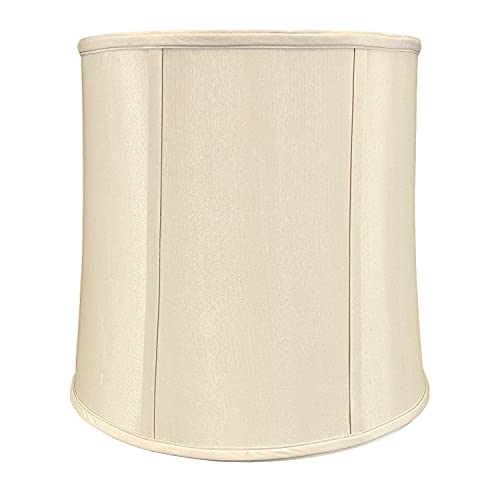
The material of a lampshade dictates how much light is spilled into a room versus how much is directed upward or downward. If you are looking for a soft, ambient glow for a bedroom or reading nook, fabric shades—specifically silk, linen, or cotton—are the gold standard. Silk shades provide a luxurious, subtle sheen that works beautifully in traditional or transitional spaces, while linen offers a more organic, textured feel that suits modern farmhouse or coastal aesthetics. Conversely, if you require a more structured, dramatic look, consider parchment or specialty treated fabrics that offer higher opacity. High opacity prevents the 'hot spot' effect where you can see the bare bulb through the shade, ensuring a smooth, even distribution of light across the room.
Determining the Correct Shape and Silhouette
The silhouette of your shade can completely transform the personality of a lamp base. A tapered drum shade is a versatile, contemporary choice that works well with minimalist bases. If you are working with a classic, ornate pedestal lamp, an empire shade—which is wider at the bottom than the top—provides a timeless, formal silhouette. For those seeking a more modern or mid-century vibe, a true drum shade (where the top and bottom diameters are equal) offers a clean, geometric profile. Always consider the visual weight. A heavy, dark-colored shade can make a slender lamp look bottom-heavy, while a light, airy shade can make a substantial base feel more balanced.
Mastering the Science of Sizing
One of the most common mistakes in home lighting is selecting a shade that is disproportionate to the lamp base. A general rule of thumb is that the shade should be wider than the widest part of the lamp base, but not so large that it overwhelms the fixture. For a balanced look, the shade should ideally be roughly two-thirds the height of the lamp base. Furthermore, pay close attention to the 'drop'—the distance from the top of the shade to the bulb. If the shade is too shallow, the bulb will be exposed, causing glare. If it is too deep, the light will feel trapped and insufficient for the space. Always measure your lamp's height and width before committing to a new shade.
Fitter Types and Installation Compatibility
Before purchasing, you must identify how your shade will attach to your lamp. Most decorative lamps use a 'spider' fitter, which rests on a harp (a metal wire frame) that sits atop the lamp socket. These are the most common for traditional and formal shades. If you are working with a task lamp or a sconce, you might require a 'uno-fitter' (which screws directly onto the socket) or a 'clip-on' fitter (which grips the bulb itself). Ensuring you have the correct fitter type prevents the frustration of receiving a beautiful shade that is physically incompatible with your existing hardware.
Color Theory and Light Diffusion
Finally, consider the color of the shade in relation to your light bulb's color temperature. A warm, amber-toned bulb paired with a cream linen shade will create a cozy, inviting atmosphere. However, if you use a cool-toned daylight bulb with a dark-colored shade, the light may feel harsh or clinical. When in doubt, lighter colors like ivory, eggshell, or pale beige provide the most consistent light diffusion, whereas darker shades (navy, charcoal, or deep burgundy) act more as sculptural elements that direct light primarily toward the ceiling and floor.