Compatibility and Fitter Types
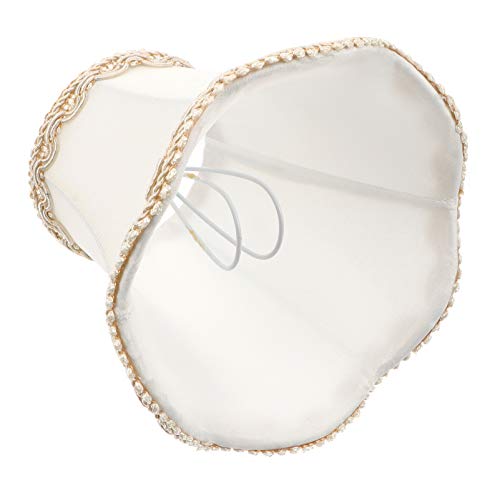
The most common mistake in purchasing replacement shades is overlooking the fitter mechanism. Before you browse styles, you must identify how your shade attaches to the lamp harp or socket. Most modern shades utilize a 'spider fitter,' which features a metal ring on the top that sits atop a harp. These are common for table lamps and floor lamps. Alternatively, you may encounter 'uno fitter' shades, which slip directly over the socket itself, or 'clip-on' shades, which grip the bulb directly. If you are replacing a shade for a desk lamp, ensure the diameter of the fitter matches your current hardware to avoid wobbling or an unstable silhouette.
Material and Light Diffusion
The material of the shade dictates the 'temperature' of the light in your room. Fabric shades, particularly those made of linen or silk blends, offer a classic, soft diffusion that hides the bulb's shape while spreading light evenly across the room. These are ideal for living rooms and bedrooms where ambiance is the priority. If you require task lighting—such as for reading or crafting—look for shades with more rigid, translucent plastic or parchment-style materials. These tend to direct light more sharply downward or upward, reducing the 'wash' effect and concentrating brightness where you need it most. Be mindful of how much light is blocked. A dark, heavy fabric shade will create a moody, low-light environment, whereas a light-colored, thin fabric will brighten the entire space.
Scale, Proportion, and Shape
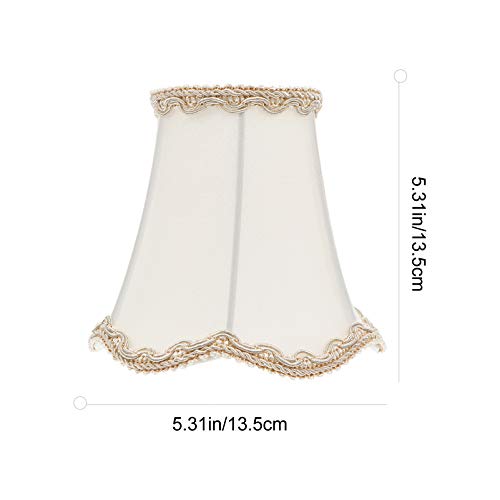
A shade that is too small makes a lamp look spindly and weak, while a shade that is too large can overwhelm a side table and make the room feel cluttered. A good rule of thumb is that the shade should be roughly two-thirds the height of the lamp base. Beyond size, the shape defines the aesthetic era. Drum shades offer a modern, clean-lined look that works well in contemporary or minimalist settings. Empire or tapered shades, which are wider at the bottom than the top, lend a traditional or transitional feel to a room. If you are looking to add height to a short lamp, a taller tapered shade can visually elongate the fixture.
Durability and Maintenance
Since shades are often subject to dust accumulation and heat, consider the longevity of the material. High-quality shades feature a sturdy internal frame that prevents the fabric from sagging over time due to the heat generated by the bulb. When selecting a shade, check if the material is easy to clean. Linen can be vacuumed with a brush attachment, while certain synthetic materials can be wiped down with a damp cloth. Always ensure the shade is rated for the wattage of the bulb you intend to use to prevent heat damage or discoloration of the material.