Understanding Tread Patterns and Turf Protection
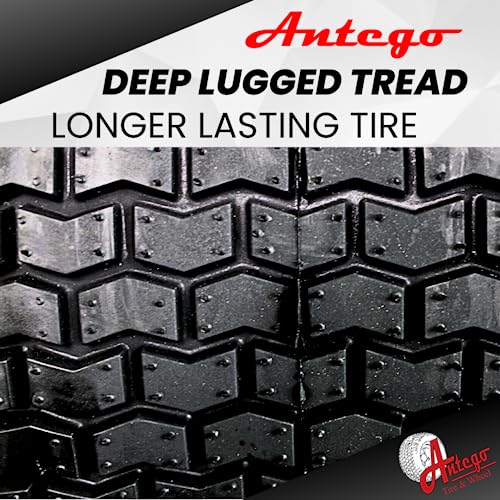
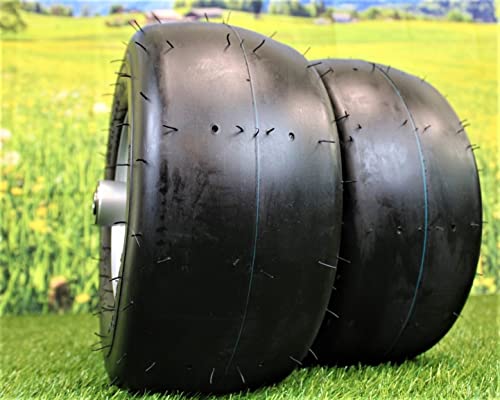
The most visible difference in lawn mower tires is the tread pattern, which dictates the primary function of the tire. If your priority is a manicured, golf-course-style lawn, you should look for turf-specific treads. These feature low-profile, closely spaced lugs designed to distribute the weight of the mower evenly across the grass. This prevents 'rutting,' where the tires sink into soft soil and leave unsightly tracks. Conversely, if you are managing a large property with overgrown fields or uneven terrain, you will require a more aggressive lug pattern. These deeper treads bite into the soil to provide the traction necessary to climb hills and navigate through thick vegetation without slipping.
Load Capacity and Sidewall Stability
When selecting tires, do not overlook the structural integrity of the sidewall. Riding mowers carry significant weight, especially when equipped with heavy attachments like mulching kits or bagging systems. A tire with a reinforced sidewall provides better lateral stability, which is critical when turning on slopes. If a tire is too soft, the mower may lean excessively during turns, potentially causing a tip-over or putting uneven pressure on the axle. Always consider the total weight of your machine—including the operator—to ensure the tire's load rating can handle the peak stress during operation.
Rim Compatibility and Installation Fit
A common mistake in the tire replacement process is focusing solely on the rubber and neglecting the wheel assembly. You must ensure that the inner diameter of the tire matches your existing rim perfectly. Even a slight discrepancy can lead to air leaks or an uneven bead seat, which makes the tire difficult to inflate and dangerous to use. Furthermore, consider whether you are purchasing a complete wheel and tire assembly or just the rubber. While replacing just the tire is often more cost-effective, purchasing a complete assembly that includes the wheel can save significant time and labor, ensuring a perfect, balanced fit right out of the box.
Durability and Material Composition
The longevity of your tires is heavily influenced by the compound used in their construction. For residential users who mow a few times a week, standard rubber compounds offer a great balance of flexibility and grip. However, for commercial users or those living in areas with high heat or rocky soil, seeking out heavy-duty compounds is wise. These materials are designed to resist punctures from small stones and resist 'dry rot' caused by prolonged exposure to UV rays. Investing in a higher-grade compound may have a higher upfront cost, but it reduces the frequency of replacements and minimizes downtime during the growing season.
Summary Recommendation Logic
To make the final decision, follow this logic: If you have a flat, well-maintained yard, prioritize turf-friendly, low-impact treads. If you have a hilly, rugged landscape, prioritize deep-lug traction and reinforced sidewalls. Always verify your rim dimensions before purchasing, and if you want to avoid the headache of manual mounting, opt for a pre-mounted wheel assembly.