Material Durability and Surface Texture
The material of your lazy Susan dictates both its longevity and its cleaning requirements. For kitchen environments, high-grade, BPA-free plastics are often preferred because they are lightweight, shatter-resistant, and incredibly easy to wipe down after spills. If you are organizing heavy items like large condiment bottles or heavy stoneware, look for reinforced polymer constructions or even bamboo-based designs that offer more structural rigidity. For bathroom or vanity use, clear acrylic models are excellent because they provide a seamless look that blends with decor, though you should ensure the plastic is thick enough to prevent bowing under the weight of skincare bottles.
Load Capacity and Bearing Quality
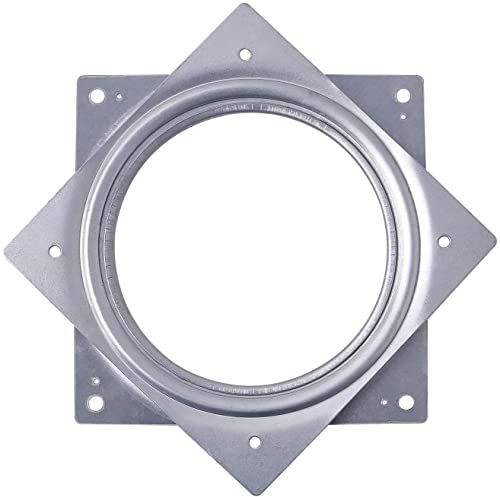
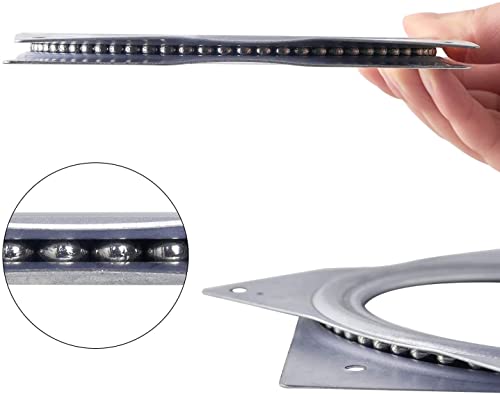
The most critical component of any rotating organizer is the bearing mechanism. A cheap lazy Susan will often stutter, catch, or require a manual push to keep it moving. High-quality models utilize ball-bearing tracks that allow for a single-finger spin. When selecting a model, consider the 'weight distribution' factor. If you plan to place heavy jars on the outer edge of the tray, the center bearing must be robust enough to handle the torque. Always check the rated weight capacity. An organizer meant for spices will fail if used for heavy canned goods or large oil bottles. A smooth, continuous rotation is the hallmark of a well-engineered product.
Diameter and Spatial Fit
One of the most common mistakes in purchasing a lazy Susan is selecting a diameter that is too large for the intended shelf depth. Before purchasing, measure the depth and width of your cabinet or corner. A rotating tray that hangs over the edge of a shelf is a tripping hazard and can lead to items falling off. Conversely, if the tray is too small for the space, you lose the organizational benefits. For corner cabinets, look for larger diameter models that can bridge the gap between two walls. For narrow spice pull-outs, slim-profile rotating trays are more effective at maximizing every inch of shelf real estate.
Rim Height and Containment
The 'lip' or rim of the lazy Susan plays a vital role in containment. If you are organizing small, round items like spice tins or essential oil bottles, a higher rim is necessary to prevent items from sliding off during a fast spin. If you are using the tray for larger, wider items like cereal boxes or heavy jars, a low-profile rim might be preferable to allow for easier access and visibility. Consider the 'tipping point'—if the rim is too low, a sudden stop in rotation might cause your contents to migrate toward the edge and fall.
Recommendation Logic
When making your final decision, follow this hierarchy: First, determine your primary use case (Kitchen, Bathroom, or Office). Second, weigh the weight of your items against the bearing strength. Third, measure your shelf depth to ensure a flush fit. For heavy-duty pantry organization, prioritize high-capacity, wide-rimmed models. For aesthetic-focused vanity organization, prioritize clear, high-gloss acrylic models with low-profile bearings.