Understanding the A/T vs. M/T Divide
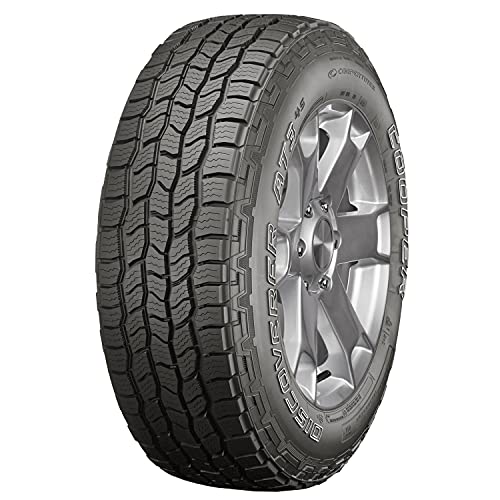
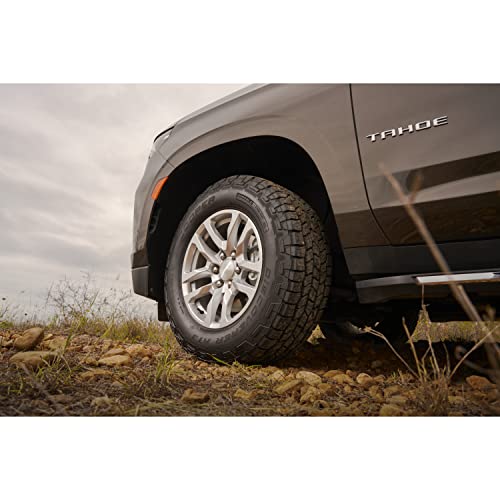
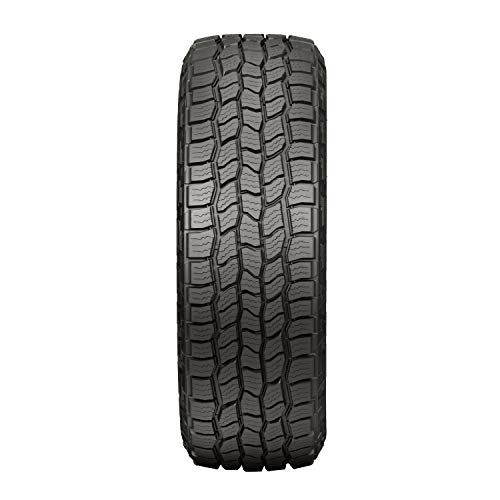
The first decision in your purchasing journey is determining your primary driving environment. All-Terrain tires are designed as 'hybrid' performers. They feature a versatile tread pattern that provides decent grip on dirt and gravel while maintaining a relatively tight enough tread block to prevent excessive vibration and noise on the highway. If your vehicle is a daily driver that occasionally visits a campsite or a forest service road, an All-Terrain tire is your best bet.
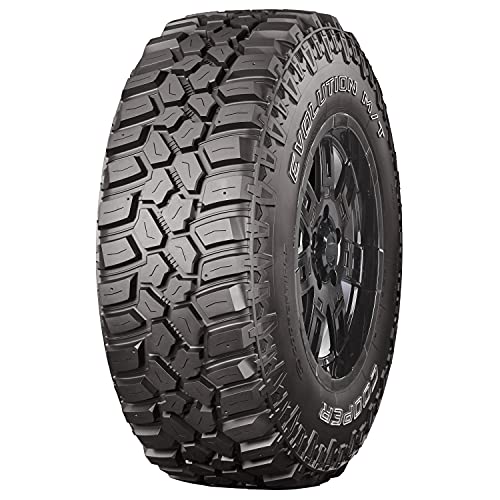
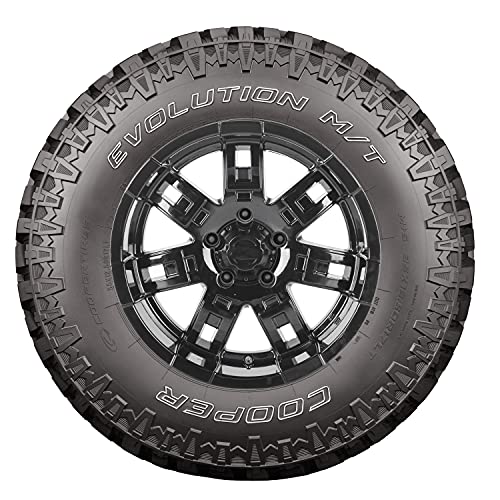
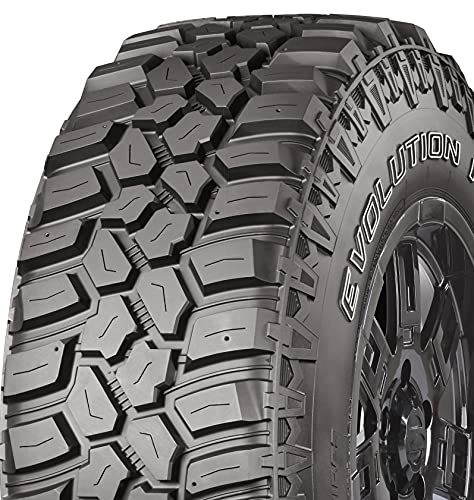
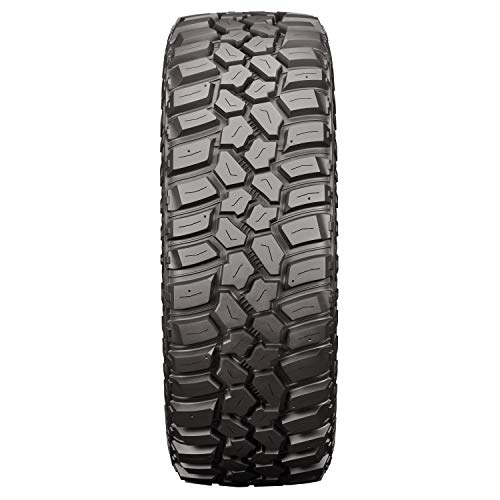
Mud-Terrain tires, conversely, are specialized tools. They feature much larger, deeper tread voids and more aggressive, widely spaced lugs. This design is intentional: it allows the tire to 'self-clean' by ejecting mud and debris as it rotates, preventing the tread from becoming a slick, useless surface. However, this comes at a cost. M/T tires typically produce more road hum and may offer less precision during high-speed cornering on pavement compared to their A/T counterparts.
Key Decision Factors: Tread Depth and Compound
When evaluating Cooper's lineup, pay close attention to the tread depth and the rubber compound. For off-road enthusiasts, a deeper tread means more time between replacements, as the aggressive lugs take longer to wear down against abrasive rocks and soil. However, look for tires that utilize advanced silica-rich compounds. These compounds help the rubber remain pliable in colder temperatures and provide better grip on wet, slippery surfaces, which is a common weakness in traditional heavy-duty tires.
Another critical factor is the sidewall construction. If you frequently encounter sharp rocks or low-pressure situations (airing down for sand or soft silt), look for tires with reinforced sidewalls. A sturdier sidewall prevents punctures and provides better lateral stability when the tire is under-inflated, which is essential for maintaining a footprint in difficult terrain.
Load Index and Speed Ratings
Because light trucks and SUVs often carry heavy payloads—be it camping gear, tools, or passengers—you must verify the Load Index. A tire with an insufficient load rating can lead to overheating and premature failure. Furthermore, while off-roaders rarely care about speed ratings, if you frequently travel on interstates to reach your trail destinations, ensuring the tire is rated for the speeds you maintain is vital for safety and stability.
Recommendation Logic: Matching Tire to Lifestyle
To make the final selection, use this logic: If your driving is 80% pavement and 20% light trail, prioritize an All-Terrain tire with a focus on wet-weather traction and low noise. If your driving is 50% pavement and 50% technical trails, or if you frequently encounter deep mud and jagged rocks, the Mud-Terrain is the necessary choice despite the increased noise. Always consider the seasonal climate of your region. A tire that excels in dry desert heat may behave differently in a muddy, temperate spring.