Understanding Marble Varieties and Veining Patterns
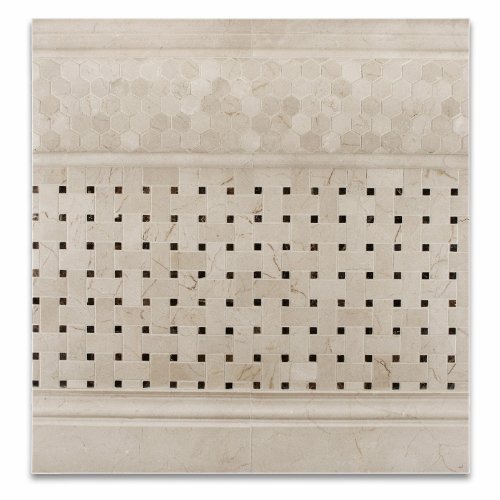
Not all marble is created equal. The visual impact of your project depends heavily on the specific type of stone you select. For a classic, high-contrast look, Carrara marble offers soft, feathery grey veining against a white background, making it a staple for bathrooms and kitchens. If you desire something more dramatic and opulent, Calacatta marble features thicker, bolder veins that serve as a focal point. Beyond white marble, you can explore colored varieties like Nero Marquina (black with white veins) or Crema Marfil (warm beige). When selecting, pay close attention to the 'movement' of the stone. If you are tiling a large floor, you may want a consistent pattern to create a sense of flow, whereas a backsplash might benefit from high-contrast, dramatic pieces that act as a centerpiece.
Evaluating Surface Finishes: Polished vs. Honed
The finish of your marble tile drastically changes both its appearance and its practicality. A polished finish is highly reflective, enhancing the depth of the colors and the brilliance of the veining. This is ideal for creating a sense of luxury and light in smaller spaces. However, polished marble is more prone to showing scratches and can become slippery when wet, making it better suited for walls or low-traffic areas. On the other hand, a honed finish provides a matte, velvety texture. Honed marble is much more forgiving regarding scratches and water spots, making it a superior choice for high-traffic flooring or kitchen countertops. Choosing the right finish is a critical decision factor that balances the 'wow factor' against the reality of daily maintenance.
Durability and Porosity Considerations
Marble is a relatively soft and porous stone compared to granite or porcelain. This means it is susceptible to etching (dull spots caused by acidic substances like lemon juice or vinegar) and staining. When shopping for marble tiles, consider the intended application. For a primary bathroom floor or a kitchen backsplash, you must be prepared to seal the stone regularly to maintain its integrity. If you are looking for a low-maintenance option that mimics the look of marble, you might consider marble-look porcelain, but if you want the authentic feel of natural stone, you must embrace the 'living' nature of the material. High-quality marble tiles should be inspected for structural integrity—look for any hairline cracks or uneven edges that might indicate a fragile batch.
Thickness and Edge Profiles
The technical specifications of the tile are just as important as the color. If you are installing marble as a floor tile, ensure the thickness is sufficient to withstand weight and foot traffic without cracking. For wall applications, thinner tiles are easier to handle and install. Additionally, pay attention to the edge profile. A mitered edge is often used for seamless transitions in countertops, while bullnose edges are essential for creating smooth, rounded finishes on the edges of stairs or shower thresholds. Matching your edge profile to your installation style ensures a professional, high-end finish that integrates perfectly with your cabinetry and fixtures.