Blade Material and Tempering
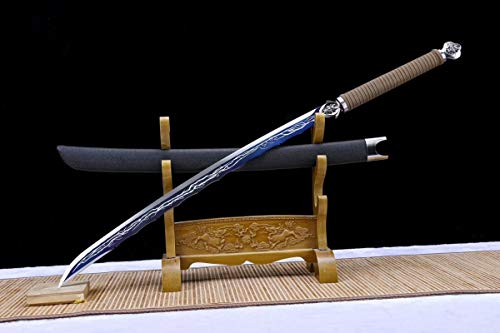
The soul of a loongsword lies in its steel. For serious martial arts practitioners, the distinction between stainless steel and high-carbon steel is critical. Many decorative swords are made from stainless steel, which resists rust but is brittle and prone to snapping upon impact. For actual training or demonstration, you should prioritize high-carbon steel (such as 1045, 1060, or 1095) or spring steel. These materials offer the necessary flexibility to absorb shock and the hardness to maintain a sharp edge. A well-tempered blade should have a slight 'spring' to it—it should flex under pressure and return to its original shape without permanent deformation.
Balance and Weight Distribution
A loongsword should feel like an extension of your arm, not a weight pulling you down. The Point of Balance (PoB) is the most important metric here. In a well-designed martial arts sword, the PoB should be located relatively close to the guard (tsuba/hilt). If the balance point is too far down the blade, the sword will feel 'blade-heavy,' making rapid transitions and precise tip control difficult during complex forms. Conversely, a sword that is too light may lack the centrifugal momentum required for certain sweeping movements. Aim for a sword that allows you to manipulate the tip with minimal wrist strain while still possessing enough mass to feel substantial during a strike.
Hilt Ergonomics and Grip Security
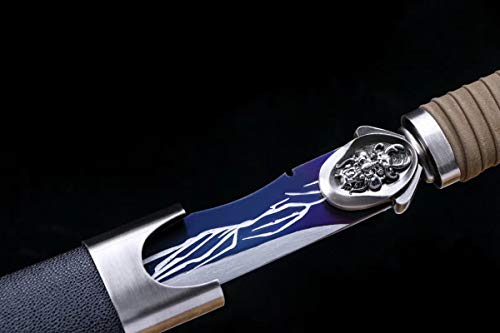
The hilt is your primary interface with the weapon. For martial arts, the grip must be secure enough to prevent slipping during high-speed rotations or sweaty training sessions. Look for handles wrapped in traditional materials like ray skin (same) or high-quality synthetic leather that provides a tactile, non-slip texture. The guard should be robust enough to protect your hands during parries but not so heavy that it disrupts the sword's balance. Additionally, ensure the pommel is securely attached. A loose pommel is a sign of poor construction and can lead to dangerous imbalances or structural failure.
Scabbard (Scabbard/Fuyou) Functionality
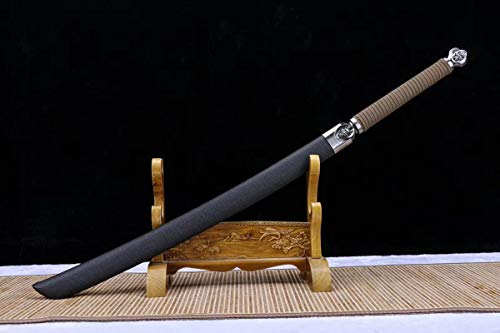
A quality scabbard is more than just a storage case. It is an integral part of the sword's deployment. A well-fitted scabbard should allow for a smooth, silent draw. If the fit is too tight, you risk damaging the blade's finish or struggling during a demonstration. If it is too loose, the sword will rattle, which is distracting and can cause micro-scratches on the steel. Look for scabbards made of hardwood or high-density resins that offer protection against impact and moisture.
Determining Your Use Case
Before purchasing, define your primary training method. If you are focusing on heavy, slow-motion Tai Chi movements, a slightly heavier blade can help build muscular endurance. If you are practicing high-speed Wushu forms that involve leaps and rapid direction changes, prioritize a lighter, more aerodynamic blade. Always avoid 'wall-hanger' swords intended for display. These are not built for the stresses of movement and can be hazardous if used for anything beyond visual decoration.