Understanding Blade Material and Tempering
The most critical factor in any martial arts sword is the metallurgy. For training purposes, you aren't just looking for a sharp edge. You are looking for a blade that can withstand the stresses of repetitive movement and impact. High-carbon steels are often preferred for their ability to hold a keen edge and their resilience under tension. When evaluating these swords, consider the tempering process. A well-tempered blade offers the perfect equilibrium between hardness (to prevent dulling) and toughness (to prevent snapping). If your intent is heavy training, look for blades that emphasize structural integrity over mere aesthetic shine. For those focused on traditional forms, the way the steel is treated can mimic the historical soul of the weapon, providing a weight and balance that feels authentic to the discipline.
Ergonomics and Hilt Construction
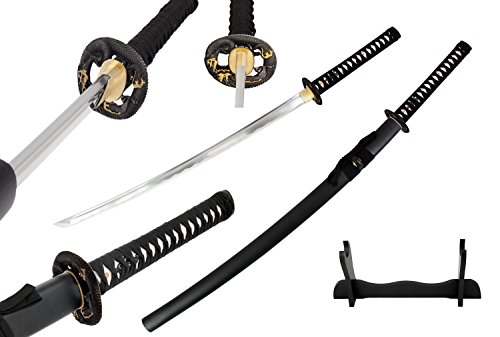
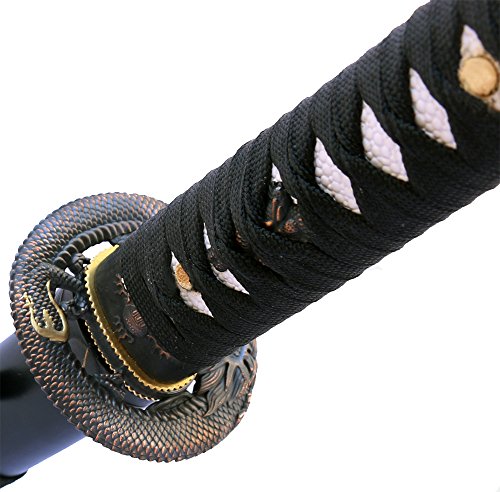
A sword is an extension of the arm, meaning the hilt (or handle) must provide impeccable control. In martial arts, a slip during a strike can lead to injury or a loss of form. Look for handles that utilize high-friction materials, such as specialized wraps or textured grips, which allow for a secure hold even when hands become sweaty during intense sessions. The 'tsuka' or handle length should be proportional to your hand size and the specific style of martial arts you practice. Furthermore, pay close attention to the balance point (the center of gravity). A sword that is too tip-heavy will fatigue your wrists during long practice sessions, while a sword that is too handle-heavy may feel twitchy and difficult to control during precise cuts.
Blade Geometry and Profile
Not all swords are shaped for the same purpose. The geometry of the blade—its width, thickness, and the curvature of the spine—dictates how the weapon moves through the air and how it interacts with a target. If you are practicing slicing motions, a thinner, more curved profile will offer less air resistance and a smoother draw. Conversely, if your training involves more forceful, percussive strikes, a slightly thicker spine will provide the necessary mass and stability. Understanding the distinction between a dedicated training blade and a decorative piece is vital. Training blades are engineered to absorb shock, whereas decorative pieces may prioritize visual perfection at the expense of structural durability.
Purpose-Driven Selection Logic
To make the final decision, categorize your primary use case. If you are a beginner, prioritize durability and ease of handling. You want a tool that is forgiving of technical errors. If you are an advanced practitioner, look for specialized refinements in the blade's edge geometry and weight distribution that allow for advanced maneuvers. Always weigh the importance of 'functional readiness' against 'display value.' A sword meant for the dojo must be built to endure, while a sword meant for a collection can afford to prioritize intricate ornamentation. By aligning the technical specifications of the sword with your specific martial arts requirements, you ensure a tool that enhances your skill rather than hindering it.