Prioritize Fabric Elasticity and Breathability
The most critical factor when shopping for maternity dresses is the textile composition. Because your body temperature fluctuates during pregnancy, synthetic fabrics that don't breathe can lead to discomfort. Look for blends that incorporate high percentages of rayon, cotton, or modal. These materials offer a soft hand-feel against sensitive skin and provide natural breathability. However, pure cotton lacks the 'snap-back' required to maintain shape, so ensure the dress includes a percentage of spandex or elastane. This ensures the dress contours to your bump without becoming baggy or losing its structure after a few hours of wear.
Evaluate the Silhouette for Growth Stages
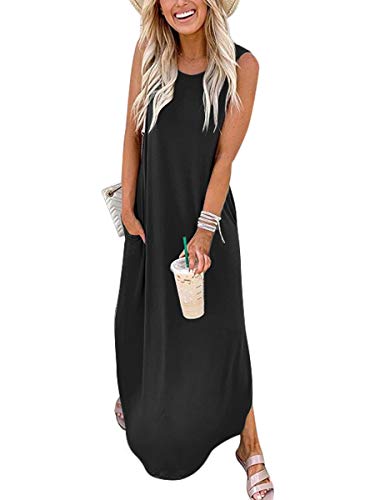
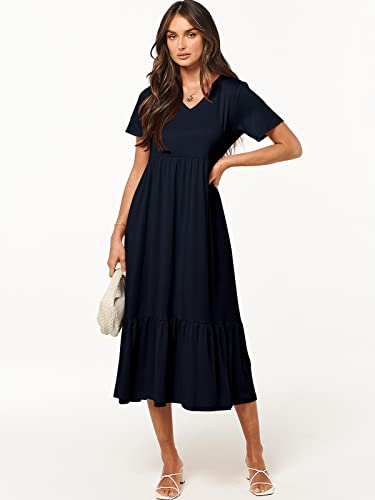
Not all maternity cuts are created equal. Anrabess typically offers several silhouettes, and your choice should depend on which trimester you are currently in or planning for. Empire waist dresses—where the seam sits directly under the bust—are the gold standard for maternity wear because they provide maximum room for the abdomen while highlighting the narrowest part of your torso. If you prefer a more streamlined look, bodycon styles offer excellent support but may feel restrictive in the later stages if the fabric tension is too high. For those seeking maximum comfort and a relaxed aesthetic, maxi dresses with flared skirts allow for unrestricted movement and airflow, making them ideal for all-day wear.
Consider Versatility and Layering Potential
A smart maternity wardrobe is built on pieces that transition through different settings. When choosing a dress, ask yourself: 'Can I wear this with sandals, or can I dress it up with a blazer?' Solid-colored midi dresses are incredibly versatile. They can function as casual daytime wear or be elevated for evening events with the right accessories. Additionally, consider the neckline. V-necks and scoop necks are generally more flattering as they elongate the neck, which can be helpful if you are experiencing the swelling or fullness often associated with pregnancy. If you plan to use the dress post-partum, look for designs that don't rely solely on 'maternity-specific' paneling, allowing the garment to transition back into your regular wardrobe once your body settles.
Sizing and Length Considerations
Sizing in maternity wear can be deceptive. While many dresses are designed to be 'one size fits most' due to their high stretch content, this isn't always the case for structured pieces. Always check the stretch rating of the fabric. If a dress has minimal stretch, it is safer to size up to accommodate both the bust and the bump. Furthermore, pay close attention to the hemline. For maxi dresses, ensure the length is appropriate for your height to avoid tripping hazards, especially as your gait may change during the third trimester. A dress that is too long can be a safety concern, while one that is too short may feel disproportionate as your silhouette shifts.