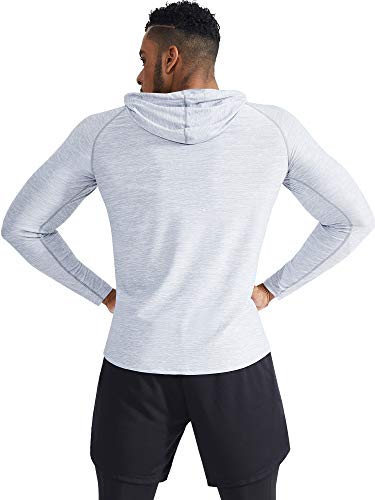
Prioritize Fabric Composition and Moisture Management
The most critical factor in selecting a Neleus activewear shirt is the textile blend. Most of their performance line utilizes a synthetic blend, typically involving polyester and spandex (elastane). Polyester is prized in activewear for its hydrophobic nature, meaning it doesn't absorb much water, allowing sweat to move through the fibers rather than soaking into the shirt and making it heavy. Spandex provides the necessary four-way stretch required for dynamic movements like overhead presses, squats, or lunges.
When browsing, look for descriptions highlighting 'moisture-wicking' capabilities. A high-quality wicking shirt will pull perspiration away from the skin to the outer layer of the fabric where it can evaporate quickly. If you are a heavy sweater, prioritize shirts with a higher polyester percentage and specialized mesh paneling in high-heat zones like the underarms or center back. This structural ventilation is a hallmark of superior performance gear.
Understand the Fit: Compression vs. Relaxed
Neleus offers a spectrum of fits that serve different training purposes. Choosing the wrong silhouette can impede your range of motion or cause chafing.
- Compression Fit: These are designed to sit tight against the skin. They are excellent for muscle support and improving circulation, but they can feel restrictive if you aren't used to them. They are ideal for runners or those performing high-repetition calisthenics.
- Athletic/Slim Fit: This is the 'sweet spot' for most gym-goers. It follows the contours of the body to prevent excess fabric from flapping around during movement, yet provides enough room for breathing and core expansion.
- Regular/Relaxed Fit: Best suited for low-intensity activities, warm-ups, or casual wear. These offer maximum airflow but may bunch up during heavy lifting or intense cardio.
Evaluate Seam Construction and Durability
In activewear, the seams are often the first point of failure. Because performance shirts undergo constant tension from stretching and frequent high-temperature laundering, you must look for flatlock stitching. Unlike traditional raised seams, flatlock seams lie flat against the skin, which significantly reduces the risk of chafing—a common issue during long-distance running or repetitive movements. A shirt with reinforced stitching around the neckline and armholes will hold its shape much longer, preventing the 'stretched-out' look that plagues cheaper activewear after just a few washes.
Match the Shirt to Your Training Discipline
To get the most value out of your purchase, match the specific shirt features to your primary activity. For weightlifting, prioritize a blend with high elastane content to ensure the shirt moves with your muscles during heavy lifts. For cardio-heavy sessions like HIIT or running, prioritize breathability and lightweight fabrics to manage core temperature. If you are transitioning from the gym to a casual setting, look for matte finishes rather than high-shine synthetics, as they appear more like lifestyle apparel while retaining their technical benefits.