Prioritize Fabric Technology and Moisture Management
The most critical decision factor in athletic pants is the material composition. For high-sweat activities, avoid 100% cotton at all costs. Cotton absorbs moisture and stays heavy and damp, which can lead to chafing and discomfort. Instead, look for synthetic blends featuring polyester or nylon. These fibers are hydrophobic, meaning they move sweat away from your skin to the surface of the fabric where it can evaporate quickly. If you are looking for premium performance, seek out fabrics with 'moisture-wicking' properties explicitly mentioned. For those who prioritize a soft feel without sacrificing durability, a blend of nylon and elastane (Spandex) offers the best of both worlds: a silky touch with incredible shape retention.
Understand Stretch and Mobility Requirements
Not all 'stretch' is the same. When evaluating pants, distinguish between mechanical stretch and elastane-driven stretch. Mechanical stretch comes from the way the fabric is woven, providing a natural give, while elastane provides high-rebound elasticity. If your workouts involve deep lunges, squats, or climbing, you need a high percentage of elastane (typically 5% to 12%) to ensure the pants move with your body rather than resisting it. For low-impact activities like walking or light stretching, a lower percentage of stretch is sufficient and may actually increase the longevity of the garment by preventing it from becoming 'baggy' over time.
Fit and Silhouette: Tapered vs. Relaxed
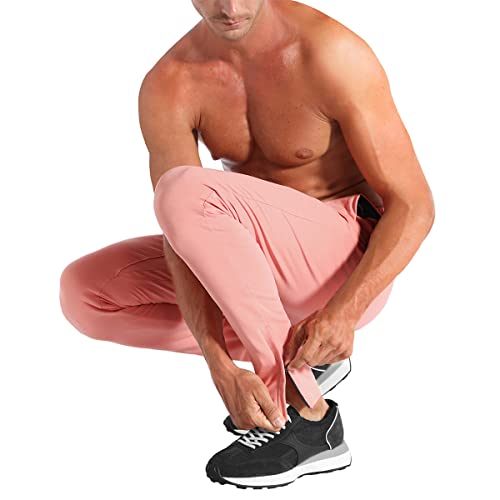
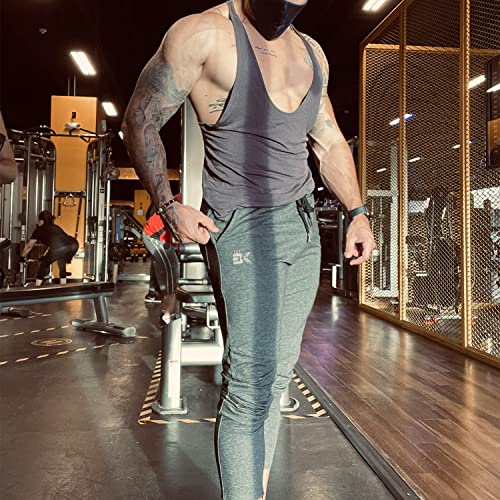
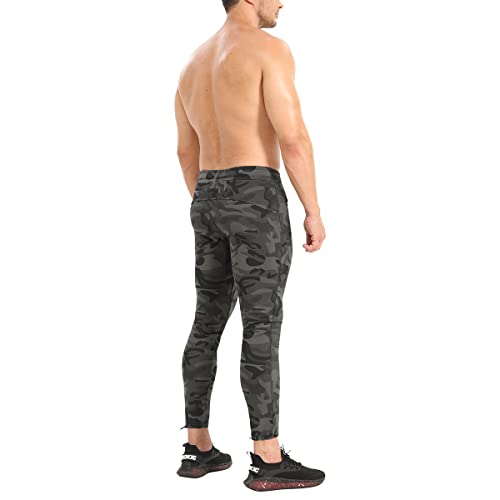
The silhouette of your athletic pants dictates both your range of motion and your aesthetic. Tapered or 'slim-fit' athletic pants are ideal for running and gym workouts because they prevent excess fabric from getting caught in equipment or flapping in the wind. They also provide a modern, streamlined look that transitions well from the gym to a casual social setting. Conversely, relaxed or straight-leg fits are better suited for recovery days, yoga, or outdoor activities where airflow and unrestricted leg movement are the primary goals. Pay close attention to the rise—a mid-to-high rise is generally preferred for athletic movements to prevent the waistband from slipping down during squats or bends.
Functional Details and Utility
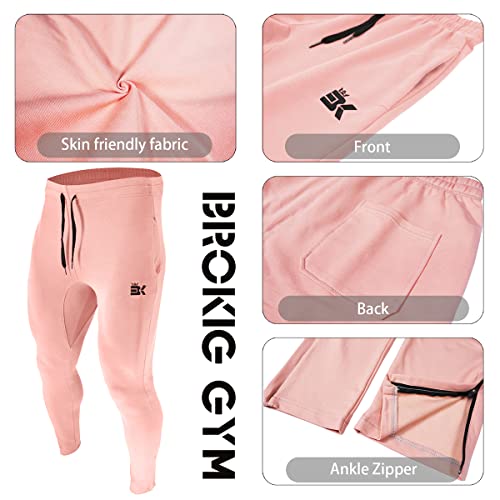
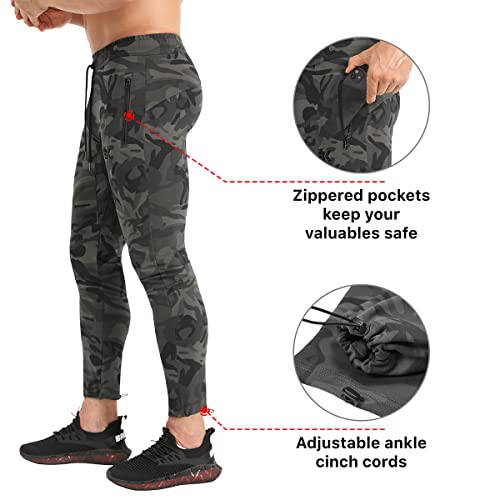
Beyond the fabric, the small details determine the long-term usability of the pants. Check the waistband construction: an elastic waistband with an internal drawstring is the gold standard for security during vigorous movement. Consider pocket placement as well. For runners, zippered side pockets are essential to prevent phones or keys from bouncing or falling out. For general fitness, deep slash pockets are sufficient. Finally, look at the seam construction. Flatlock seams are a hallmark of high-quality athletic wear. They lie flat against the skin to prevent the dreaded chafing that occurs when traditional raised seams rub against your legs during repetitive motions.
Summary Recommendation Logic
When making your final selection, use this logic: If you are training for intensity, prioritize moisture-wicking synthetics and tapered fits with high elastane content. If you are looking for versatile lifestyle gear, prioritize soft-touch nylon blends and a mid-rise, relaxed silhouette. If you are an outdoor enthusiast, prioritize durability and zippered security pockets. By matching the technical specs to your specific activity, you ensure your investment provides both comfort and longevity.