Understanding Merino Weight Classifications
The most critical decision factor when shopping for Smartwool men's base layers is the weight of the fabric. Smartwool typically categorizes their garments into three primary tiers: Lightweight, Midweight, and Heavyweight. Lightweight layers are designed for high-intensity activities such as backcountry skiing, trail running, or summer hiking where breathability and moisture wicking are the priorities. These are thin, low-profile garments that sit close to the skin to move sweat away instantly. Midweight layers are the versatile workhorses, ideal for standard winter sports or colder climates where you need a bit more thermal insulation without excessive bulk. Heavyweight layers are reserved for extreme cold, static activities, or as a primary thermal layer when temperatures drop well below freezing. Selecting a weight that doesn't match your activity level is the most common mistake. Wearing a heavyweight layer while hiking uphill will lead to sweat saturation and eventual chilling.
Fabric Composition and Blend Dynamics
While '100% Merino' sounds appealing, many of the most effective Smartwool base layers utilize specific blends to enhance durability and shape retention. Pure Merino is incredibly soft and odor-resistant, but it can be delicate and prone to losing its shape after repeated heavy use. Look for blends that incorporate a small percentage of nylon or elastane (Spandex). These additions provide 'stretch recovery,' ensuring the base layer maintains a snug, ergonomic fit against your body—a crucial factor for effective heat retention. A tight fit is essential because air gaps between the fabric and your skin allow heat to escape. If you are looking for maximum softness and skin comfort, prioritize higher Merino percentages. If you are looking for ruggedness for mountaineering or high-friction activities, look for reinforced synthetic blends.
Fit and Compression Factors
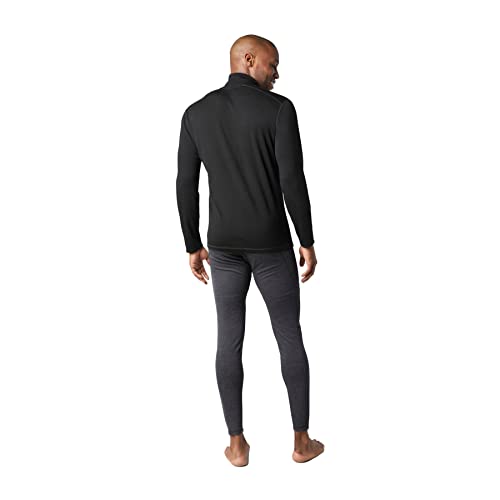
The architecture of the fit significantly impacts how the base layer performs. For technical outdoor use, a 'slim fit' or 'athletic fit' is generally preferred. This ensures the fabric stays in constant contact with your skin, facilitating the capillary action necessary to pull moisture away from your body. If the base layer is too loose, it will trap moist air against your skin, which can lead to rapid cooling once you stop moving. Conversely, some users prefer a more relaxed fit for casual wear or as a sleep layer. When deciding, consider your layering system: if you plan to wear a heavy fleece or down jacket over the top, a streamlined, low-bulk base layer will prevent you from feeling restricted in your movements.
Key Decision Logic: Activity vs. Environment
To make the final selection, use this logic: First, define your activity level. High output (running, climbing) requires lightweight, high-breathability blends. Low output (camping, spectating) requires heavyweight, high-insulation knits. Second, consider the duration of exposure. For multi-day trips where laundry is impossible, the natural antimicrobial properties of Merino are your best friend, making Smartwool an excellent investment. Finally, check the seam construction. For high-movement activities, look for flatlock seams, which minimize chafing and irritation during repetitive motions like trekking or cycling.