Understanding Cushioning Profiles
The most immediate decision you will face is the level of padding required. Basketball is a high-impact sport characterized by constant jumping, landing, and sudden stops. Under Armour typically offers varying degrees of cushioning, often categorized by where the padding is concentrated. If you are a center or power forward who spends significant time battling for rebounds in the paint, you may benefit from maximal cushioning in the heel and forefoot to absorb shock. Conversely, if you are a guard who relies on speed and agility, you might prefer a medium-cushion profile that provides protection without adding unnecessary bulk that could make your shoes feel tight or sluggish.
Compression and Arch Support
One of the standout features of premium basketball socks is integrated compression. Look for designs that feature targeted compression zones around the arch. This does more than just feel snug. It helps stabilize the foot within the shoe, reducing the 'sliding' sensation that leads to blisters. Effective compression also aids in blood flow and can help mitigate foot fatigue during long tournament days. When evaluating a pair, check if the compression is localized to the arch or if it extends up the ankle, as the latter can provide additional stability for players prone to ankle rolls.
Moisture Management and Fabric Composition
ext{
Basketball is a high-sweat activity, and standard cotton socks are your enemy. Cotton absorbs moisture and holds it against the skin, leading to heavy, soggy feet and increased friction. Under Armour utilizes advanced synthetic blends designed to wick sweat away from the skin and disperse it across the fabric surface for rapid evaporation. When choosing, look for 'HeatGear' or similar moisture-wicking technologies. A well-engineered sock will keep your feet dry, which is essential not only for comfort but also for maintaining the grip between your foot and the insole of your sneaker.
Thickness and Shoe Compatibility
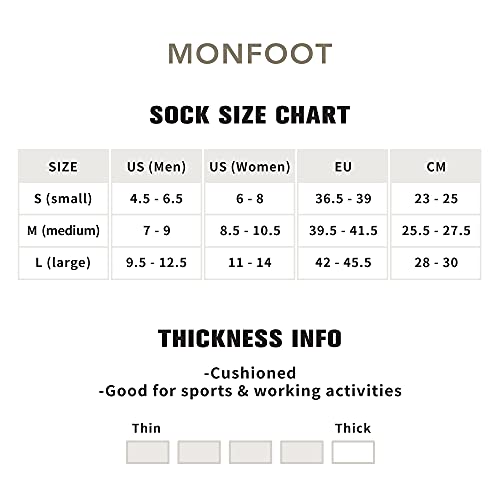
The thickness of your socks must be balanced with the fit of your basketball shoes. If you prefer a very snug, 'second-skin' feel in your sneakers, opting for heavy, thick-cushion socks might result in restricted circulation or discomfort. On the other hand, if your shoes have a slightly roomy toe box, a thicker sock can help fill that gap and prevent your foot from shifting. Always consider how the sock's thickness will impact your ability to feel the court through your footwear. Some players prefer a thinner, more responsive feel to maximize their 'court feel' during quick crossovers.
Durability and Reinforcement
Finally, consider the longevity of the product. Basketball socks undergo intense stress, particularly at the heel and the ball of the foot. Look for models that feature reinforced high-wear areas. High-quality athletic socks will maintain their shape and elasticity through dozens of wash cycles, whereas cheaper alternatives will quickly lose their compression and develop holes in the toe or heel. Investing in reinforced construction ensures that your technical advantages remain consistent throughout the entire season.