Prioritizing Fabric Composition and Quick-Dry Technology
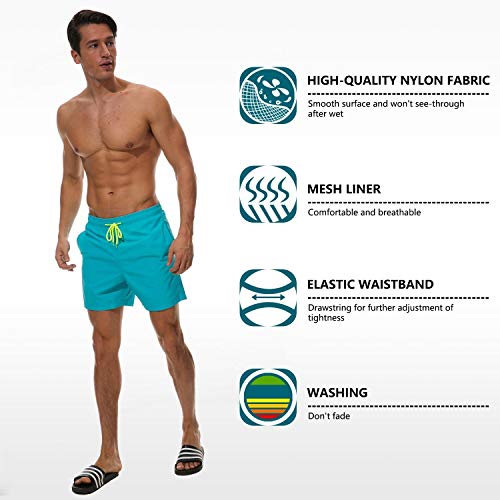
The most critical factor in selecting board shorts is the textile. Traditional cotton shorts are a disaster in the water. They absorb weight, sag, and take hours to dry. High-quality board shorts utilize advanced synthetic blends, typically involving recycled polyester or nylon. When evaluating silkworld options, look for high-denier fabrics that offer a balance between durability and weight. You want a material that feels lightweight when dry but maintains its structural integrity when saturated. Quick-dry technology is non-negotiable. Look for moisture-wicking properties that allow water to shed rapidly, preventing the 'heavy leg' feeling that can ruin a session in the surf.
Understanding Fit and Inseam Length
Fit is highly subjective, but in the world of board shorts, it is also functional. There are two primary styles to consider: the performance fit and the lifestyle fit. Performance fits are usually more streamlined to prevent drag while swimming or surfing. For the inseam, you must decide how much coverage you prefer. A shorter inseam (typically 15 to 17 inches) offers maximum freedom of movement for your legs and a modern, athletic aesthetic. A longer inseam (19 to 21 inches) provides more protection against chafing and sun exposure but can feel bulkier. When testing the fit, ensure the waistband is secure enough to stay in place during a wipeout, yet flexible enough to accommodate breathing and movement.
Waistband Construction and Security
A board short is only as good as its ability to stay on your hips. Avoid shorts that rely solely on a simple drawstring, as these can easily loosen in heavy swells. The gold standard is a hybrid waistband—a combination of an elasticated rear for comfort and a secure, lace-up front or a heavy-duty Velcro closure. This ensures that the shorts move with your body rather than sliding down. Pay close attention to the tension of the drawstring. It should be made of a rot-resistant material that won't degrade after multiple exposures to chlorine or saltwater.
Functional Details: Pockets and Seams
Don't overlook the small engineering details. Flatlock stitching is a hallmark of premium shorts. Unlike standard seams that can create bulky ridges, flatlock seams lie flat against the skin, significantly reducing the risk of chafing during repetitive motions like paddling. Regarding storage, look for secure pocket designs. If you plan on walking from the beach to a cafe, a zippered side pocket or a secure mesh-lined pocket is essential for keeping small items like keys or cards safe. However, avoid overly deep or heavy pockets that might trap water and create drag while you are actually in the ocean.
Durability and UV Protection
Since board shorts spend much of their life under intense sunlight, UV resistance is a vital consideration. Look for fabrics that offer UPF (Ultraviolet Protection Factor) ratings. This adds a layer of functional value beyond just style. Finally, consider the longevity of the color. High-quality dyes and fabric treatments will prevent the vibrant patterns or deep solids from fading after a single season of salt and sun exposure. Investing in a pair that maintains its color and shape will save you money and ensure you look sharp year after year.