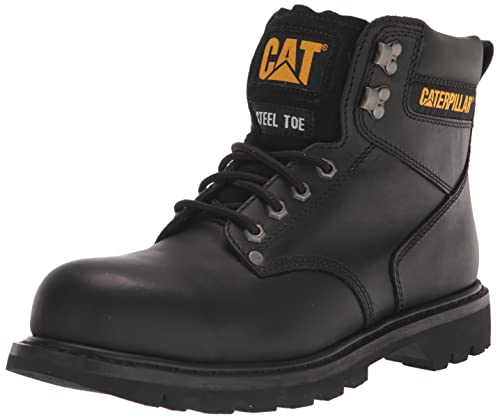
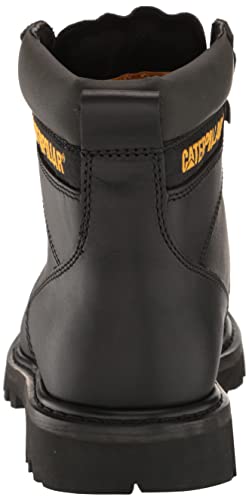
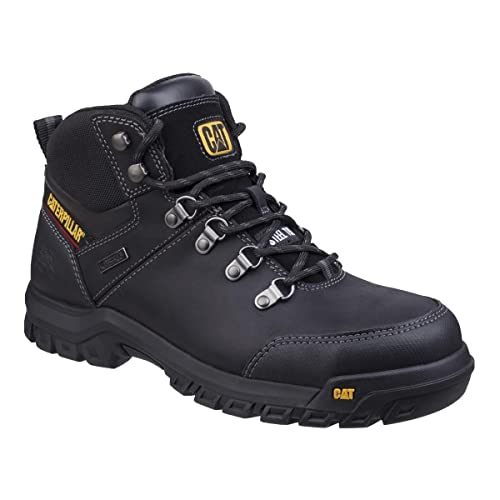
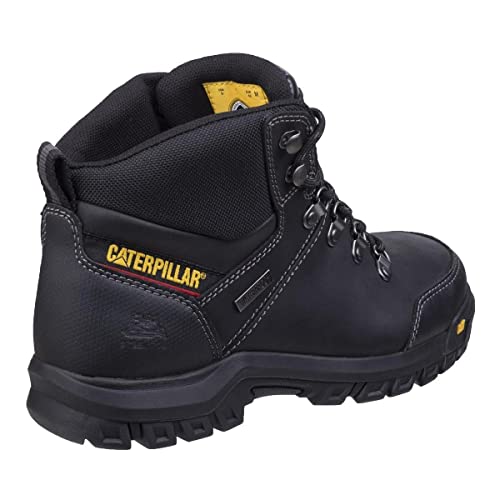
Prioritize Construction Methods
The way a boot is put together is the single most important factor in its longevity. For high-end durability, look for Goodyear Welt construction. This method involves stitching a strip of leather (the welt) to the upper and the insole, creating a highly water-resistant bond and allowing the boot to be resoled multiple times. If you are looking for something more lightweight and flexible for casual wear, Blake Stitching offers a sleeker profile and better articulation, though it typically provides less water resistance than a welted boot. For budget-friendly, everyday options, Cemented Construction (where the sole is glued to the upper) is common, but keep in mind these boots are much harder to repair once the sole begins to delaminate.
Evaluate Material Integrity
The upper material dictates how the boot breathes and how well it handles the elements. Full-grain leather is the gold standard for men's boots. It is thick, durable, and develops a beautiful patina over time. It offers superior protection against moisture and abrasions. Suede and Nubuck offer a softer, more casual look but require more maintenance, as they are prone to staining and water damage. If you frequently encounter extreme cold or heavy rain, ensure the boot features a waterproof membrane—such as a breathable synthetic liner—to keep moisture out while allowing perspiration to escape, preventing that uncomfortable 'swamp foot' feeling during long periods of wear.
Sole Composition and Traction
Your choice of outsole should be dictated by your primary terrain. If you are working on construction sites or hiking on loose gravel, a Vibram or deep-lugged rubber sole is non-negotiable. These provide the necessary mechanical grip to prevent slips. For urban environments where you are walking primarily on concrete and asphalt, a denser, smoother rubber compound provides better shock absorption and reduces the 'clacking' sound of heavy footsteps. Pay attention to the heel height and width. A wider heel base provides better stability on uneven ground, whereas a tapered heel is more suitable for formal or fashion-forward styles.
Support, Fit, and Comfort Architecture
A boot is only as good as its interior. Look for boots with reinforced ankle support to prevent rolls on uneven surfaces. The insole should offer adequate arch support. If the boot feels flat, you may need to invest in aftermarket orthotic insoles. Furthermore, consider the 'toe box' width. A boot that is too narrow will compress your toes, leading to numbness during long walks. Always shop for boots in the late afternoon, as your feet naturally swell throughout the day. This ensures that the fit you choose in the store remains comfortable during peak activity levels.