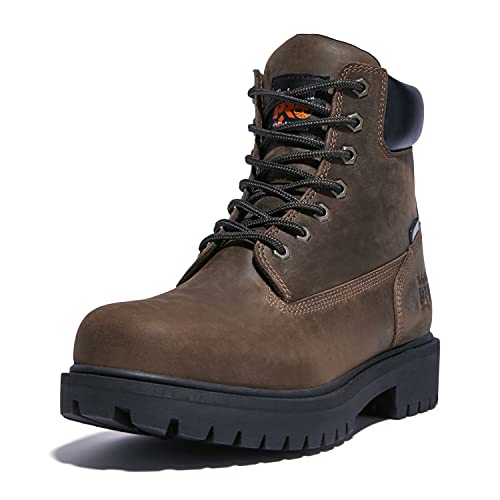
Prioritize Safety Standards and Toe Protection
The most critical decision factor for any professional boot is the level of impact protection required by your specific industry. Timberland PRO offers various configurations, primarily centered around steel toe, composite toe, and soft toe options. Steel toes provide the highest level of puncture and crush resistance but can feel heavy and conduct temperature (becoming very cold in winter or hot in summer). Composite toes, made from advanced synthetic materials, offer similar protection without the weight penalty and are much better at insulating against temperature extremes. If your work involves heavy machinery or falling debris, ensure the boot meets the relevant ASTM safety standards. For those in roles that require agility without heavy impact risks, a soft toe or a reinforced composite option may provide the necessary flexibility.
Evaluate Outsole Traction and Slip Resistance
A boot is only as good as its contact with the ground. Depending on your environment, you will need to choose between different outsole compounds and tread patterns. If you work in environments prone to oil spills, grease, or wet surfaces, look for boots specifically rated for slip resistance. Timberland PRO often utilizes specialized rubber outsoles designed to channel liquids away from the contact point, increasing grip. For heavy construction or outdoor landscaping, a deeper, more aggressive lug pattern is preferable to provide traction in mud and loose soil. Conversely, for indoor industrial work on smooth concrete, a flatter, more stable outsole will prevent fatigue and provide a more predictable walking surface.
Comfort Technology and Internal Support
Long-term durability is useless if the boot causes foot fatigue or plantar fasciitis. When browsing this category, pay close attention to the internal cushioning technologies. Many high-end models feature specialized anti-fatigue technology that uses rebound properties to return energy to the wearer with every step. This is essential for workers who spend most of their day standing on hard surfaces. Additionally, look for moisture-wicking linings and waterproof membranes. Even if you aren't working in rain, sweat buildup can lead to blisters and fungal issues. A boot that integrates a breathable waterproof membrane allows moisture to escape while preventing external liquids from seeping in.
Weight vs. Durability Trade-offs
There is an inherent tension between a boot's ruggedness and its weight. A heavy, thick-leather boot provides incredible durability and ankle support, making it ideal for rough terrain, but it can lead to leg fatigue over a long shift. On the other hand, lighter-weight models use synthetic blends and lighter materials to improve mobility, which is excellent for fast-paced environments but may require more frequent replacement if subjected to extreme abrasion. When making your selection, weigh your daily mileage against the harshness of your environment. If you are walking miles of job sites, prioritize weight reduction. If you are stationary in high-hazard zones, prioritize heavy-duty construction.