Material and Texture: Setting the Tone
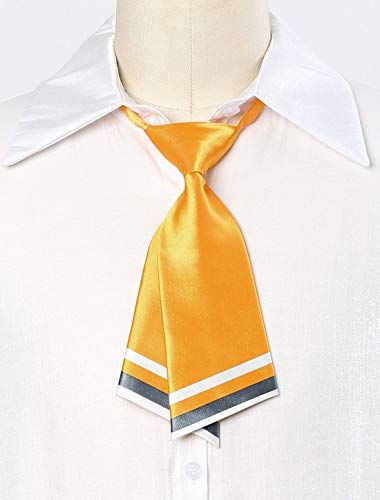
The first decision you will encounter is the fabric. The material dictates the formality of the tie. Silk and high-quality satin finishes are the gold standard for formal evening events, offering a subtle sheen that catches the light beautifully under ballroom chandeliers. If you are attending a summer wedding or an outdoor garden party, look for cotton or linen blends. These materials offer a matte finish and a more relaxed, breathable feel that prevents the outfit from looking overly stiff. For those seeking a vintage or academic aesthetic, velvet or textured weaves provide a depth of color and a tactile quality that stands out in a sea of flat fabrics. Always consider the weight of the fabric. A heavy fabric will hold its shape better in a pre-tied version, while a lighter fabric is essential if you prefer the classic look of a self-tie tie.
Pre-Tied vs. Self-Tie: Convenience vs. Character
This is perhaps the most practical decision in your shopping journey. Pre-tied bow ties are engineered for the man who values precision and efficiency. They offer a perfectly symmetrical knot every single time, which is ideal for high-pressure events where you don't want to be fumbling with silk in front of a mirror. Modern high-end pre-tied options are crafted to mimic the natural imperfections of a hand-tied knot, making them nearly indistinguishable from the real thing. On the other hand, self-tie bow ties are for the purist. There is an undeniable charm in the slight asymmetry of a hand-knotted tie—it signals a level of sartorial effort and authenticity. If you are a beginner, start with a pre-tied model to master the look before transitioning to the skill of tying your own.
Pattern Scale and Color Coordination
When browsing Allegra K’s collection, you will see everything from micro-dots to bold floral prints. The key to a successful look is understanding pattern scale. If you are wearing a striped shirt, avoid a bow tie with a similar stripe width. Instead, opt for a solid color or a large-scale geometric pattern to create visual contrast. For formal black-tie events, stick to solid black or deep midnight navy. For weddings, this is where you can experiment with paisley, polka dots, or seasonal florals. A good rule of thumb is to ensure the bow tie is the 'accent' piece. If your suit and shirt are busy, keep the tie simple. If your outfit is monochromatic and understated, use the bow tie as your primary pop of color or texture.
Fit and Proportion
Finally, pay attention to the dimensions. A bow tie that is too wide can look costume-like and overwhelming, while one that is too narrow can appear dainty and disproportionate to a large frame. Aim for a medium width that balances well with your collar size. A wider spread collar requires a slightly larger bow tie to maintain visual equilibrium, whereas a narrow point collar works best with a more compact, streamlined tie. Consider your facial structure as well. Larger, more voluminous bows can complement broader faces, while slimmer profiles suit more angular features.