Prioritize Fabric Composition and Texture
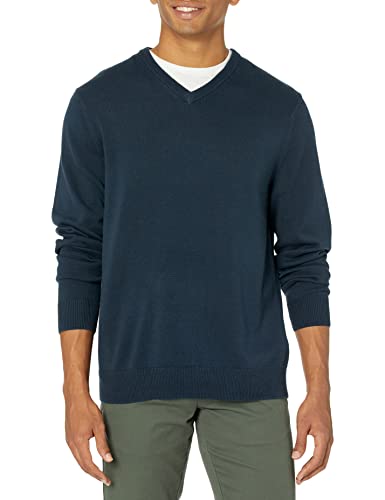
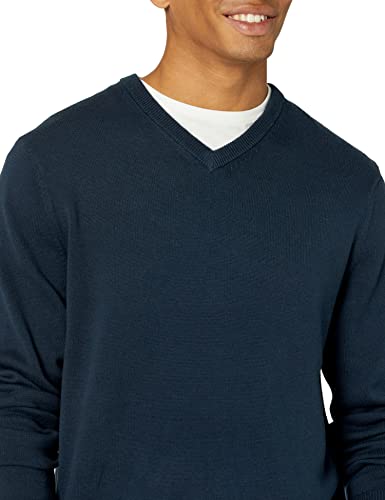
The most critical factor in selecting a cardigan is the material. Since these sweaters are often intended for frequent wear, you must decide between synthetic blends and natural fibers. Cotton-blend cardigans are excellent for transitional seasons like spring and autumn. They are breathable, easy to wash, and tend to hold their shape well without excessive pilling. If you are looking for something for colder climates, look for acrylic or wool-blend knits. While pure wool provides superior warmth, a blend often offers a better price-to-performance ratio, providing the cozy aesthetic of wool with the added durability and machine-washability of synthetic fibers. Pay attention to the knit pattern as well: a fine-gauge, smooth knit is ideal for layering under blazers, whereas a chunky, cable-knit texture is better suited as a standalone piece for a rugged, casual look.
Evaluate the Weight and Layering Potential
Not all cardigans are created equal in terms of thickness. When shopping, consider the 'weight' of the knit. A lightweight, thin-gauge cardigan is essentially a layering tool—it adds a touch of sophistication to an outfit without adding significant bulk. These are perfect for indoor environments where temperature control can be unpredictable. Conversely, a heavy-weight or 'chunky' cardigan functions more like a light jacket. These are much more casual and are best paired with denim or heavy chinos. If you plan to wear your sweater primarily in a professional setting, lean toward a mid-weight option that provides structure to your silhouette without making you look overly bulky.
Focus on Fit and Silhouette
A cardigan can easily look sloppy if the fit is incorrect. Because the garment is open at the front, the shoulder seams are the most important point of reference. The seam should sit exactly where your shoulder ends. If it droops down the arm, the sweater will look oversized and unkempt. For a modern look, aim for a slim or tailored fit that follows the lines of your torso without pulling at the buttons. If the buttons are gaping open, the sweater is too tight. For a more relaxed, 'grandpa-chic' aesthetic, a slightly looser fit is acceptable, but ensure the sleeve length remains accurate so you don't lose your hands in the fabric. Check the length of the hem as well. A standard cardigan should hit just below the belt line to maintain a balanced proportion.
Consider Hardware and Finishing Details
The details often dictate how formal or casual a sweater feels. Button styles matter: plastic or resin buttons are standard for casual wear, while horn-effect or metal buttons can elevate the garment's perceived value. Furthermore, look at the ribbing on the cuffs and the hem. High-quality knits feature tight, elastic ribbing that prevents the sleeves from stretching out over time. Finally, consider the neckline. A V-neck cardigan is the most versatile, as it frames a necktie perfectly, whereas a shawl collar cardigan offers a more relaxed, academic vibe that works best with casual attire.