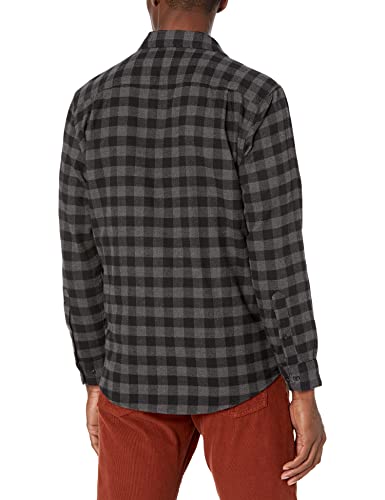
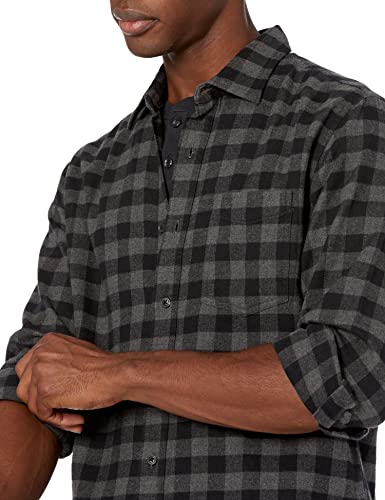
Prioritize Fabric Composition and Texture
The most critical decision you will make is selecting the right material. The fabric dictates not only how the shirt feels against your skin but also how it breathes and how much maintenance it requires. For a classic, breathable feel that works well in warmer climates, look for 100% cotton or linen blends. Cotton poplin offers a smooth, lightweight texture that is ideal for a polished casual look, while oxford cloth provides a heavier, more textured weave that is incredibly durable and perfect for layering.
If you are looking for something more rugged, consider brushed cotton or flannel. These fabrics are designed to trap heat, making them excellent choices for cooler months. For those who prioritize ease of care, look for cotton-polyester blends. These tend to resist wrinkles better than pure natural fibers, making them a great choice for travel or long workdays where you won't have time to steam your clothes.
Understand the Nuances of Fit
A shirt can be made of the finest material, but if the fit is off, it will never look quite right. Generally, casual button-downs fall into three main categories: Slim Fit, Regular Fit, and Relaxed Fit. Slim Fit is tailored closer to the body, narrowing at the waist and chest to prevent excess fabric from bunching. This is ideal for leaner builds or for wearing tucked into chinos. Regular Fit offers a more traditional silhouette with extra room in the torso and sleeves, providing comfort and ease of movement. Relaxed Fit is the most generous, offering a loose, breezy feel that works exceptionally well for beachwear or ultra-casual weekend styles.
Pay close attention to the shoulder seams. For a proper fit, the seam should sit right at the edge of your shoulder bone. If it droops down your arm, the shirt is too large. If it pulls toward your neck, it is too small. Additionally, check the sleeve length—the cuff should ideally hit right at the base of your thumb when your arms are at your sides.
Evaluate Design Details and Versatility
The small details often determine how versatile a shirt will be in your existing wardrobe. Consider the collar style: a button-down collar is the gold standard for casual wear, as it keeps the collar points neatly in place without the need for a tie. If you prefer a more structured, formal look, a spread collar might be more appropriate.
Pattern selection is another key factor. Solid colors are the most versatile, acting as a foundation for various outfits. Micro-prints, ginghams, and subtle stripes add visual interest without being overwhelming. If you want a statement piece, larger plaid patterns or bold prints can work, but these are harder to pair with other patterned items. Finally, check the button quality and stitching. High-density stitching around the buttonholes and placket is a sign of a shirt that will withstand repeated washing without fraying or losing its shape.