Prioritize Material Integrity and Texture
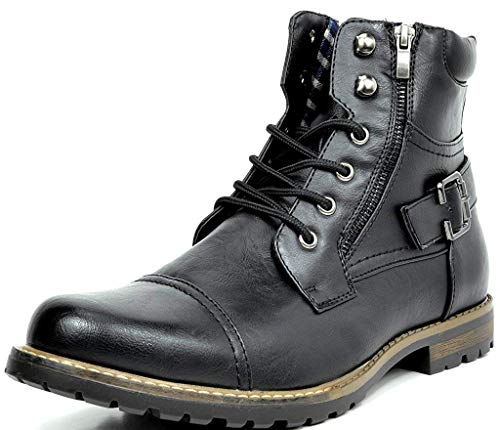
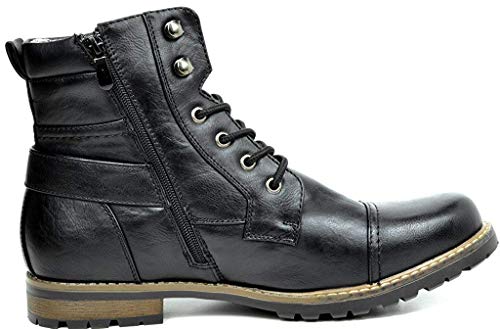
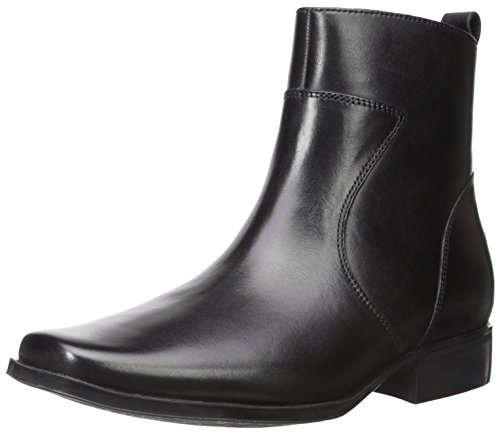
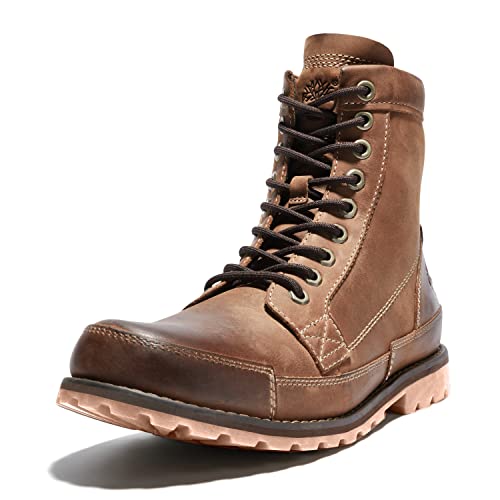
The most critical decision factor when selecting chukka boots is the upper material. Bruno marc offers various textures, and your choice should depend on your intended use. Smooth leather is the gold standard for versatility. It is easy to clean, resists moisture better than fabric, and can be polished to a subtle sheen for more formal settings. If you are looking for a rugged, heritage feel, suede is the superior choice. Suede chukkas offer a soft, matte texture that pairs exceptionally well with denim and chinos, though they require more maintenance to prevent water spotting and scuffing. When inspecting the material, look for a consistent grain and a thickness that suggests durability without being overly stiff.
Understanding Sole Construction and Comfort
A chukka boot is only as good as its foundation. Because these boots are often intended for extended wear, you must consider the outsole. For a classic, dressier look, a slim leather or synthetic resin sole provides a low profile that complements tailored trousers. However, if your lifestyle involves significant walking, look for rubberized outsoles. Rubber provides essential traction and shock absorption, preventing the 'clacking' sound of hard soles on city pavements. Additionally, pay attention to the interior cushioning. A high-quality chukka should feature a contoured footbed or memory foam padding to prevent the heel slippage that often plagues lower-profile boots.
Color Coordination and Versatility
To maximize the return on your investment, think about your existing color palette. Dark brown and chocolate tones are the most versatile. They pair effortlessly with navy, olive, tan, and indigo. If you want a more contemporary, urban edge, black chukka boots are a sharp choice, particularly when paired with grey or black denim. For a relaxed, summer-appropriate vibe, sand or tan suede options work beautifully with light-wash jeans or linen trousers. A common mistake is buying a color that is too specific to one outfit. Aim for a neutral shade that allows you to rotate the boots through multiple seasonal wardrobes.
The Importance of Fit and Silhouette
The hallmark of a great chukka boot is a slim, tapered ankle. Unlike heavy work boots, chukkas should hug the ankle without being restrictive. When trying them on, ensure there is enough room in the toe box to prevent pinching, but enough structure in the heel to prevent your foot from sliding out when walking. The lacing system—typically a two or three-eyelet design—should allow you to tighten the boot securely against the instep. A well-fitted boot not only looks more polished but also prevents the structural breakdown of the leather caused by excessive foot movement inside the shoe.