Compression Level and Graduated Pressure
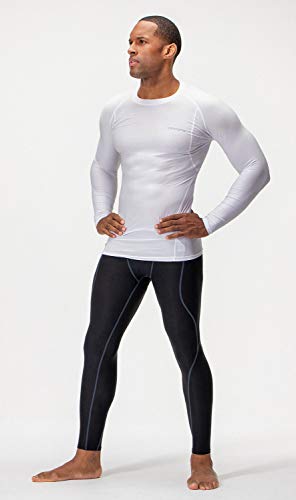
The most critical factor in selecting a DevOps-ready compression shirt is the degree of compression. Not all 'tight' shirts are true compression garments. For physical recovery and muscle stabilization, look for 'graduated compression.' This means the pressure is most intense at the extremities and slightly decreases as it moves toward the heart, which aids in venous return and reduces swelling. If your goal is purely athletic performance during a workout, a moderate compression level is sufficient to reduce muscle oscillation. However, if you are looking for a shirt to wear under professional attire to improve posture and mitigate the physical toll of long-term sitting, look for targeted compression zones in the lumbar and thoracic regions.
Fabric Composition and Moisture Management
Since DevOps professionals often transition from intense physical activity to sedentary technical work, moisture management is paramount. Avoid 100% cotton at all costs. Cotton absorbs sweat and stays heavy, which can lead to temperature fluctuations and discomfort. Instead, prioritize synthetic blends involving nylon, polyester, and elastane (Spandex). A high elastane percentage (typically 10% to 20%) ensures the shirt maintains its shape and provides consistent tension without becoming baggy after a few washes. Look for 'wicking' technologies that pull sweat away from the skin to the surface of the fabric where it can evaporate quickly, keeping you dry and preventing the 'chilled' feeling during post-workout cooldowns.
Breathability and Thermal Regulation
The environment in which you work—whether it is a climate-controlled server room or a high-intensity training facility—dictates your thermal needs. For indoor use or layering under a hoodie, seek out 'mesh-vented' panels in high-heat areas like the underarms and the center of the back. These micro-perforations allow for airflow without compromising the compression benefits. If you are using these shirts for outdoor training, look for UV-protective ratings (UPF) to ensure the fabric provides a barrier against sun exposure. A shirt that regulates temperature effectively will prevent the spikes in body heat that can lead to mental fatigue and loss of concentration.
Durability and Seam Construction
A compression shirt is only as good as its ability to withstand constant tension. Inspect the seam construction carefully. 'Flatlock stitching' is the industry standard for high-performance gear. These seams lie flat against the skin, preventing the chafing and irritation that can occur during repetitive movements. Cheaply made compression shirts often use overlock seams that create ridges, which can become incredibly distracting during long periods of wear. Furthermore, ensure the fabric has high 'recovery' properties—this means that after being stretched to its limit, the fibers snap back to their original state rather than becoming permanently deformed.
Fit and Ergonomics
The 'perfect fit' in compression is a delicate balance. It should feel like a second skin—tight enough to provide support and muscle stabilization, but not so restrictive that it impedes deep diaphragmatic breathing. If you find yourself gasping for air or feeling restricted in your shoulder mobility, the compression is too high or the size is too small. For the DevOps professional, ergonomic fit also means ensuring the shirt does not bunch up at the waist or neck, which can create physical distractions during deep-work sessions. Always check the size charts against your actual muscle measurements rather than your standard T-shirt size to ensure the compression is applied correctly.