Prioritizing Safety Toe Standards
The first decision in selecting construction boots is determining your required level of impact protection. Most heavy-duty roles require either a steel toe or a composite toe. Steel toes offer the highest level of puncture resistance and are thinner, which can allow for a slightly more streamlined boot, but they can become uncomfortably cold in winter environments and heavy in humid heat. Composite toes, made from advanced synthetic materials, are significantly lighter and do not conduct heat or cold, making them the superior choice for workers in extreme temperature fluctuations. Always ensure the boot meets the specific safety ratings required by your job site or union regulations.
Outsole Traction and Slip Resistance
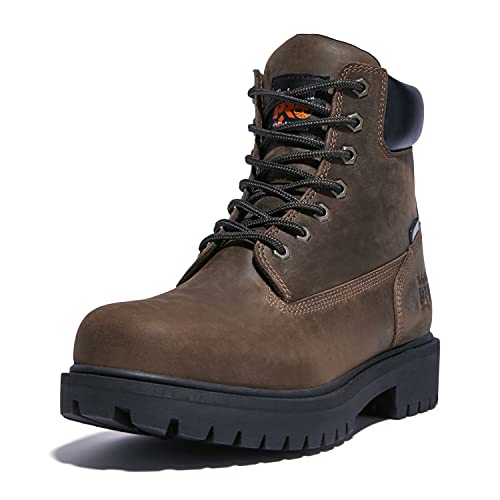
Construction sites are rarely clean or dry. You will likely encounter mud, oil, gravel, and wet concrete. When evaluating Timberland Pro boots, look closely at the lug pattern on the outsole. A deep, aggressive tread pattern is essential for biting into loose soil and providing stability on uneven ground. Furthermore, look for specialized rubber compounds designed for slip resistance. A boot that offers high-traction grip on oily surfaces can be the difference between a productive shift and a debilitating fall. The durability of the outsole is also vital. Look for high-density rubber that won't wear down prematurely under the friction of constant walking on abrasive surfaces.
Waterproofing and Breathability
A common mistake is choosing a boot that is waterproof but lacks breathability. If your work involves moisture—whether from rain, puddles, or perspiration—you need a membrane that keeps external water out while allowing internal moisture to escape. Look for integrated waterproof linings that wrap the foot. Without proper breathability, your feet will sweat, leading to blisters and fungal issues. For those working in harsh winters, thermal insulation becomes a key factor. Ensure the boot features moisture-wicking linings that work in tandem with the waterproof layer to maintain a dry microclimate inside the boot.
Support, Cushioning, and Fatigue Reduction
Construction work is punishing on the joints. The most important long-term investment you can make is in the midsole and insole technology. Timberland Pro is known for anti-fatigue technology, which uses specialized foam to absorb shock and return energy to the foot with every step. Look for boots with high arch support and a reinforced heel cup to stabilize the ankle on uneven terrain. If you spend most of your day standing on concrete, look for boots with extra cushioning in the heel and forefoot. A boot that feels 'stiff' might be durable, but if it lacks the flexibility to move with your foot, it will lead to calf strain and lower back pain.
Material Durability and Maintenance
Finally, consider the upper material. Full-grain leather is the gold standard for construction boots because it is naturally tough, water-resistant, and can be conditioned to last for years. Look for reinforced stitching at high-stress points, such as where the upper meets the sole. While these boots are built for abuse, a small amount of maintenance—like cleaning off dried mud and applying a leather conditioner—will significantly extend the lifespan of your investment.