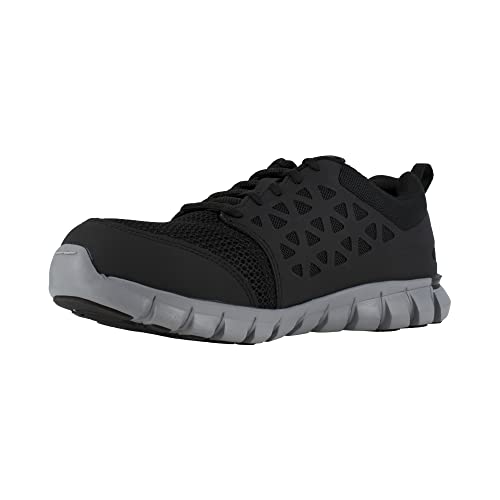
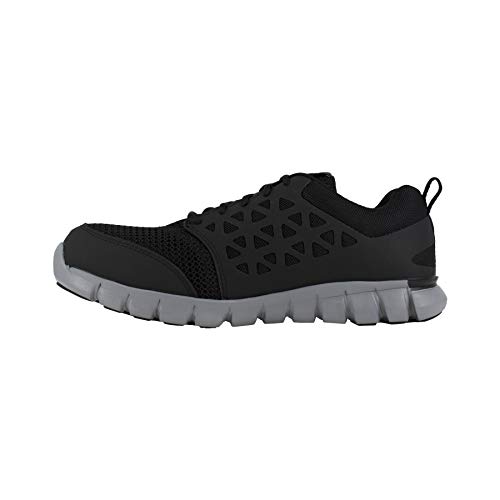
Prioritize Safety Standards and Toe Protection
The foundation of any construction shoe is its ability to protect your feet from falling objects and compression. When browsing Reebok’s lineup, you will encounter different levels of toe protection. Some models utilize steel toes, which offer the highest level of impact resistance but can be heavy and conduct cold. Others utilize composite toes, which are lighter, do not trigger metal detectors, and offer better thermal insulation for outdoor work. If your job involves heavy lifting or high-risk environments, prioritize a model that meets ASTM safety standards. Ensure the toe cap is integrated into the shoe's structure so it doesn't create a pressure point against your toes during long shifts.
Evaluate Midsole Technology and Cushioning
What sets Reebok apart from many budget work shoe brands is their heritage in athletic footwear. Many of their construction models incorporate specialized foam technologies designed to absorb shock. This is vital for construction workers because repetitive impact on hard surfaces like concrete can lead to long-term joint pain in the knees and lower back. Look for shoes that feature high-rebound midsoles. A shoe that feels 'bouncy' or highly cushioned in the store will likely provide much-needed relief after several hours of heavy movement. Avoid shoes that feel overly rigid or flat, as these lack the energy return necessary to prevent foot fatigue.
Analyze Outsole Grip and Slip Resistance
A construction site is rarely a clean or level environment. You will encounter sawdust, oil, mud, and water. The outsole of your shoe is your primary defense against slips and falls. Look for deep, multi-directional lug patterns that can bite into loose terrain. Furthermore, check for slip-resistant rubber compounds. A high-quality outsole should provide traction on both wet and dry surfaces. If you work in environments where liquids are frequently spilled, a specialized slip-resistant rating is non-negotiable for maintaining stability and safety.
Breathability vs. Durability
Construction work is physically demanding and often occurs in varying temperatures. You face a trade-off between a waterproof membrane and breathability. If you work primarily outdoors in rain or snow, a waterproof lining is essential to keep your feet dry and prevent blisters. However, if you work in climate-controlled warehouses or hot summer environments, a mesh-heavy upper will allow for better airflow and moisture wicking. For most general construction roles, a hybrid approach—using durable synthetic materials that offer moderate water resistance while maintaining airflow—provides the best all-around performance.
The Importance of Weight and Agility
One of the primary reasons to choose a Reebok construction shoe over a traditional heavy boot is weight reduction. Every extra ounce on your feet translates to increased energy expenditure over a full workday. If your role requires climbing ladders, crouching, or moving quickly between tasks, prioritize lightweight construction. A lighter shoe allows for more natural foot mechanics and reduces the strain on your hip flexors and calves, keeping you more alert and efficient throughout your shift.