Prioritize Safety Toe Standards
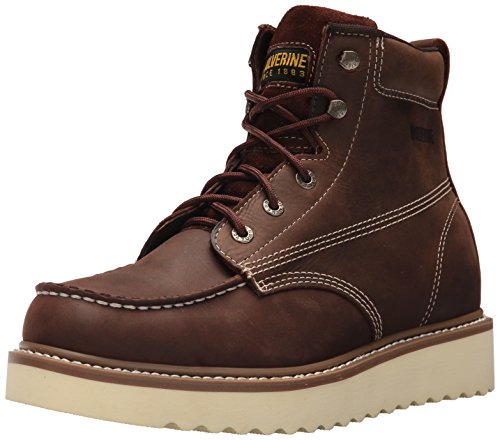
The most fundamental decision you will make is the type of impact protection you require. Wolverine offers various configurations, primarily focusing on steel toe and composite toe options. Steel toes provide the highest level of puncture and crush resistance in a relatively slim profile, making them ideal for heavy masonry or steel-working environments. However, if you frequently work around metal detectors or in environments where temperature regulation is a concern, composite toes are the superior choice. Composite toes are lighter and do not conduct heat or cold, which helps prevent your feet from freezing in winter or overheating in summer. Always ensure the specific model meets the necessary ASTM safety standards for your particular job site.
Evaluate Outsole Traction and Durability
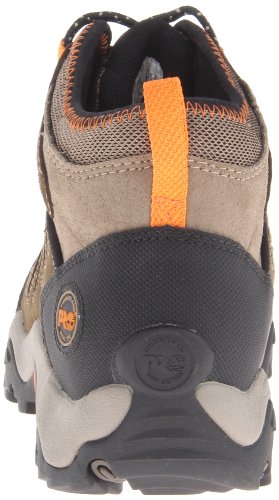
Construction sites are unpredictable, ranging from slick concrete and wet mud to loose gravel and sawdust. A high-quality Wolverine shoe should feature a rugged, slip-resistant outsole. Look for deep lug patterns that provide multidirectional traction. This allows you to maintain stability on uneven terrain. Furthermore, pay attention to the material of the outsole. Rubber outsoles are generally preferred for their grip and shock absorption, whereas certain high-density polyurethane options might offer better longevity in chemically harsh environments. If your work involves a lot of walking on hard surfaces, a midsole with specialized cushioning technology will be essential to prevent heel strike pain.
Upper Material and Weatherproofing
igskip
The upper of the shoe determines how well it breathes and how much water it keeps out. Full-grain leather is the gold standard for construction footwear because of its natural durability and ability to resist abrasions. It also develops a patina over time and can be treated with conditioners to maintain its water resistance. For those working in damp or rainy conditions, look for models that specifically feature waterproof membranes. These membranes allow moisture vapor (sweat) to escape from the inside while preventing liquid water from entering from the outside. If you work in exceptionally hot climates, you might consider synthetic blends that prioritize airflow, though these often sacrifice some of the rugged longevity found in traditional leather.
Support and Fit for Long Shifts
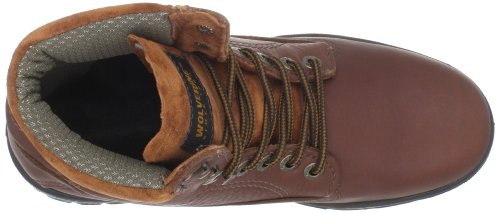
A common mistake is buying construction shoes that are too heavy or too stiff, leading to premature fatigue. When selecting your Wolverine pair, consider the weight of the shoe. Modern engineering has allowed for 'lightweight' heavy-duty options that provide the same protection as older, bulkier models. Additionally, look for anatomical arch support and a padded collar. A well-constructed heel cup will prevent your foot from sliding inside the shoe, reducing the risk of blisters. Remember that your feet naturally swell throughout a workday. When trying on shoes, ensure there is enough volume in the toe box to accommodate this swelling without pinching your toes against the safety cap.
Decision Logic Summary
To make your final choice, follow this hierarchy: First, identify your site's safety requirements (Steel vs. Composite). Second, assess your environmental hazards (Waterproof vs. Breathable). Third, weigh your physical activity level (Heavy lugging vs. High-mobility walking). By following this logic, you move beyond buying a brand and start buying a tool specifically engineered for your professional needs.