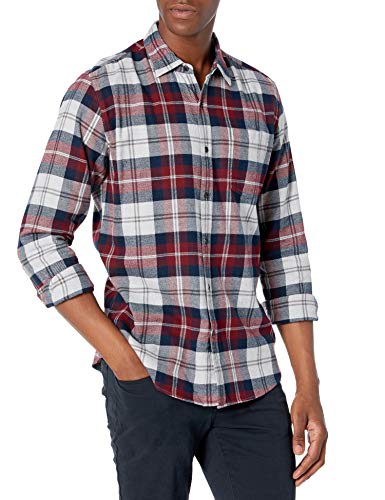
Prioritize Fabric Composition and Breathability
The most critical decision factor in selecting a shirt is the material. For everyday wear, cotton is the gold standard due to its breathability and skin-friendly nature. However, not all cotton is created equal. Look for lightweight poplin weaves if you need a crisp, formal look for the office, or heavier oxfords if you want a rugged, textured feel for weekend wear. If you live in a warmer climate, seeking out linen blends can provide much-needed airflow, though be prepared for the characteristic wrinkling that comes with natural fibers. For those prioritizing low maintenance, synthetic blends (such as cotton-polyester mixes) offer increased wrinkle resistance and durability, making them ideal for travel or long workdays where you need to maintain a sharp appearance.
Understand the Nuances of Fit and Silhouette
A shirt can be made of the finest material, but if the fit is incorrect, it will never look high-quality. Generally, you will encounter three primary silhouettes: Slim Fit, Regular Fit, and Relaxed Fit. Slim Fit is designed to contour the body, sitting closer to the chest and waist to prevent excess fabric from bunching at the sides. This is best for modern, tailored looks. Regular Fit offers a more traditional, generous cut that allows for ease of movement, making it the go-to choice for comfort and a classic aesthetic. Relaxed Fit is significantly looser, intended for casual, streetwear-inspired styles. When evaluating a shirt, pay close attention to the shoulder seam. It should sit right at the edge of your natural shoulder to ensure the rest of the garment drapes correctly.
Match the Collar and Cuff to the Occasion
The details of a shirt often dictate its formality level. A button-down collar, where the points are fastened to the shirt body, is inherently more casual and works perfectly for smart-casual settings. Conversely, a spread collar or a stiff point collar is designed to accommodate a necktie, making it a staple for formal environments. Similarly, consider the cuff style. Button cuffs are standard for daily wear, while French cuffs (requiring cufflinks) are reserved for formal events. If you are building a capsule wardrobe, start with a mix of button-down collars for versatility and structured collars for professional necessity.
Color Palette and Versatility Strategy
To maximize the value of your purchase, adopt a 'layering-first' logic when choosing colors. Neutral tones—such as white, light blue, navy, and heather grey—are non-negotiable. These colors serve as the foundation for almost any combination of trousers or jackets. Once your neutrals are secured, you can introduce patterns like subtle stripes or micro-checks. Avoid overly loud or large prints in your initial essential purchases, as they are harder to pair with existing wardrobe items. A well-chosen, solid-colored shirt in a matte finish will always outlast a trendy patterned shirt in terms of longevity and stylistic relevance.