Prioritizing Material Texture and Finish
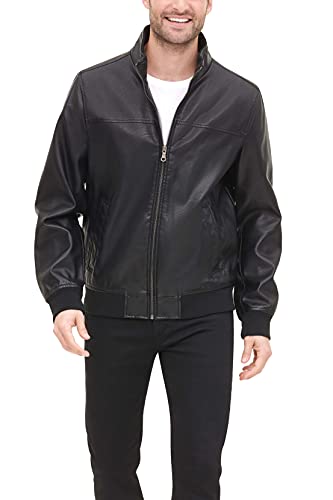
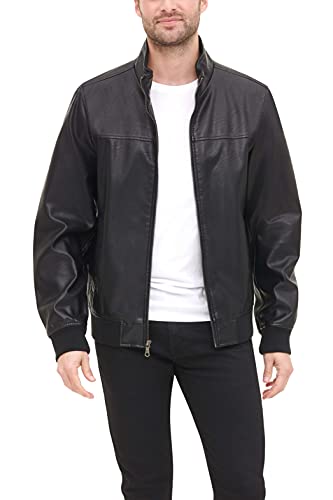
The biggest giveaway of a low-quality faux leather jacket is an unnatural, overly shiny sheen that looks like cheap PVC. When browsing Tommy Hilfiger options, look for 'polyurethane' (PU) blends that mimic the matte or semi-matte texture of real leather. High-quality faux leather should have a slight grain or 'pebble' texture when viewed up close. This adds depth and helps the jacket catch light in a way that looks authentic. If the jacket feels excessively stiff or makes a loud 'crinkling' sound when you move, it likely lacks the flexibility required for a comfortable, long-term fit. Aim for materials that feel supple and move with your body.
Understanding Silhouette and Style Variations
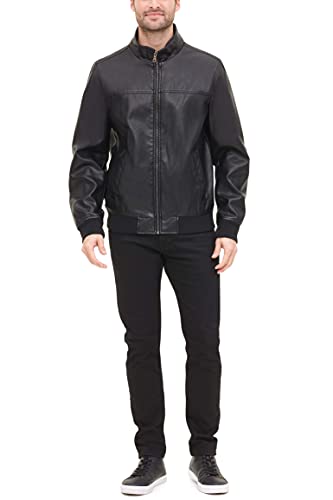
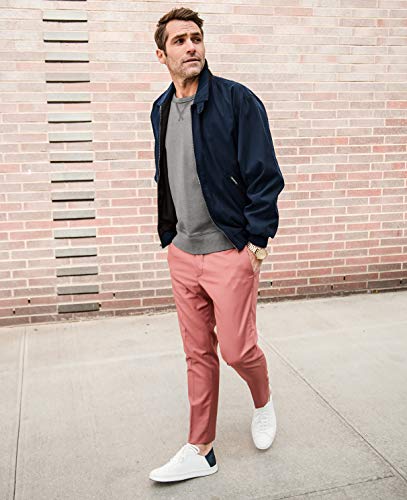
Tommy Hilfiger offers several distinct silhouettes that cater to different lifestyle needs. If you are looking for a timeless, rebellious look, the Biker or Moto style is the gold standard. These typically feature asymmetrical zippers, notched lapels, and hardware accents. For a more streamlined, professional appearance that can transition into a smart-casual office setting, look for the Cafe Racer style. These feature a minimalist band collar and a straight front zipper, offering a cleaner line that doesn't overwhelm your frame. Finally, for a more relaxed, urban vibe, bomber-style faux leather jackets provide a slightly more voluminous fit through the sleeves and waist, making them ideal for layering over thicker knitwear.
The Importance of Fit and Layering Room
Because faux leather lacks the natural stretch of animal hide, getting the fit right is critical for mobility. A common mistake is buying a jacket that is too tight in the shoulders. If the seams pull, the synthetic material will crease permanently in unattractive ways. You should be able to reach forward comfortably without the back feeling like it might tear. Additionally, consider your seasonal layering. If you plan to wear these jackets in autumn or early spring, ensure there is enough circumference in the chest and armholes to accommodate a sweater or a heavy flannel shirt. A jacket that is too slim will restrict your movement and ruin the relaxed, effortless aesthetic the brand is known for.
Hardware and Detail Inspection
The longevity and perceived value of a faux leather jacket often come down to the hardware. Since you aren't paying for the premium of real leather, the quality of the zippers and snaps becomes the focalty point of the garment's durability. Look for heavy-duty metal zippers rather than plastic ones, as metal provides a weightier, more premium feel and resists snagging. Pay attention to the stitching as well. Consistent, tight, and even stitching along the seams and lapels is a hallmark of a well-constructed garment. High-quality details like quilted linings or branded metal hardware will elevate the jacket from a simple outer layer to a standout piece in your wardrobe.
Recommendation Logic: How to Choose
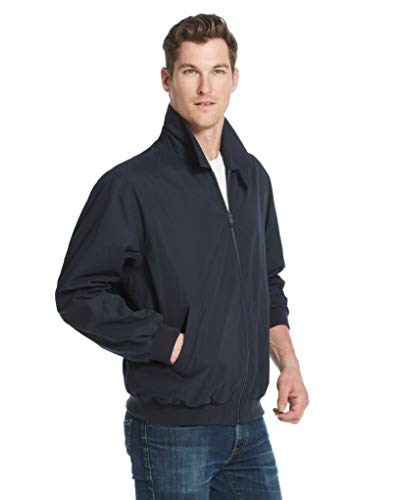
When making your final decision, use this hierarchy: First, choose your intended use (Biker for edge, Racer for versatility). Second, select your color palette (Black is the most versatile, while deep browns or navy can offer a softer, more academic look). Third, verify the texture (Matte over shiny). If a jacket meets all three criteria, you have found a piece that will provide both the aesthetic of luxury and the practical benefits of easy-care synthetic materials.