Understanding Compression Grades and Pressure Mapping
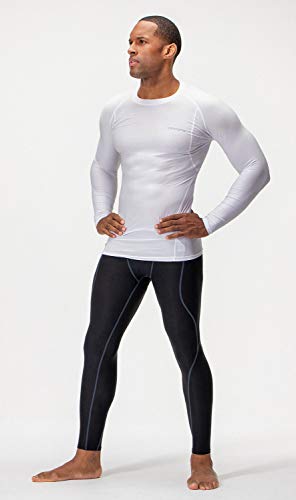
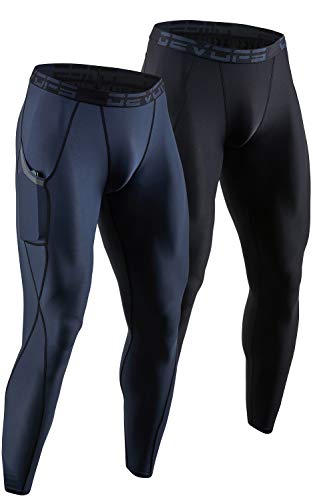
The most critical factor in selecting fitness compression is understanding the level of pressure being applied to your muscle groups. In the world of high-performance gear, compression is rarely uniform. High-quality garments utilize graduated compression, which means the pressure is most intense at the extremities (like the ankles or wrists) and gradually decreases as it moves toward the heart. This mechanism is designed to facilitate venous return, helping to flush metabolic waste from the muscles more efficiently. For DevOps professionals who spend long hours sitting, compression leggings that focus on lower-limb circulation can be a game-changer for preventing stiffness and promoting blood flow during recovery periods.
Fabric Composition and Thermoregulation
Since fitness sessions often follow intense mental labor, you want gear that manages your body temperature without requiring constant monitoring. Look for synthetic blends—typically a mix of nylon, polyester, and high percentages of elastane or Spandex. The goal is a high modulus of elasticity, meaning the fabric provides significant resistance when stretched, which is what actually delivers the compression benefit. Furthermore, seek out moisture-wicking properties and breathable mesh zones. A 'smart' fabric will pull sweat away from the skin to the outer layer of the garment, preventing the chilling effect that can occur during the cooldown phase of a workout.
Seam Construction and Friction Management
Nothing breaks a flow state faster than chafing. When evaluating compression gear, inspect the seam architecture. Flatlock stitching is the industry standard for high-performance fitness wear. These seams lie flat against the skin rather than protruding, which significantly reduces the risk of irritation during repetitive movements like running or cycling. For those who move through a wide range of motion, seamless technology in high-friction areas (like the inner thighs or underarms) is a premium feature that ensures the garment feels like a second skin rather than a restrictive layer.
Durability and Recovery Cycles
Compression gear is subject to intense mechanical stress. Every time you pull the garment on, the fibers are stretched to their limit. To ensure your investment lasts through hundreds of wash cycles, look for 'shape retention' technology. Low-quality compression will become 'baggy' or lose its elastic tension after a few months, rendering the physiological benefits void. High-quality gear will maintain its compression profile even after heavy use. Think of it as technical debt: buying cheap, low-grade compression might save money upfront, but the loss of performance and the need for frequent replacements will cost you more in the long run.
Decision Logic: Matching Gear to Your Routine
To make the final selection, categorize your primary physical activity. If your focus is recovery after long periods of sitting, prioritize graduated compression leggings that emphasize circulation. If your focus is high-intensity interval training (HIIT) or heavy lifting, prioritize high-modulus compression tops and shorts that offer maximum muscle stabilization to reduce oscillation during explosive movements. By matching the specific compression profile to your physical output, you ensure your gear supports your lifestyle as effectively as your code supports your infrastructure.