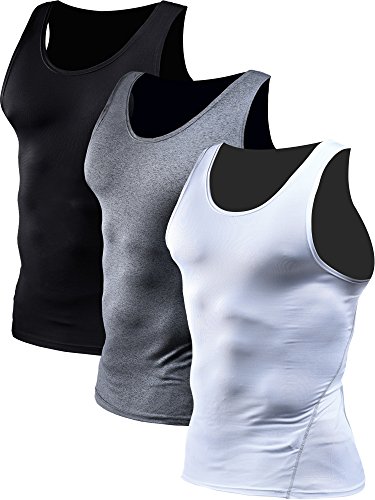
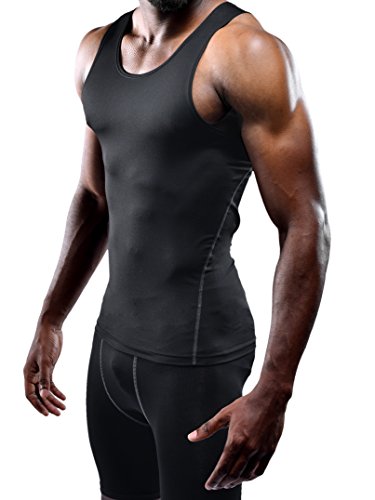
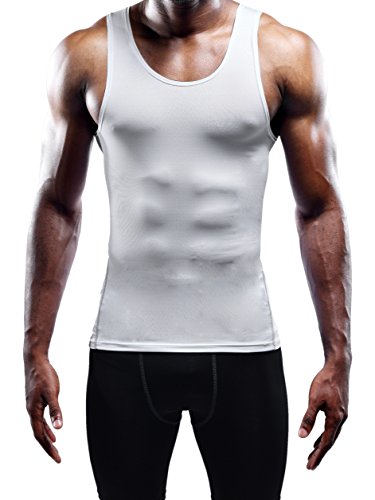
Understanding Compression Levels and Graduated Pressure
The most critical factor in selecting Neleus fitness compression is the level of pressure applied to your muscles. Compression gear works through graduated pressure, which is designed to assist blood flow and reduce muscle oscillation during movement. When browsing the category, consider your primary activity. For weightlifting and explosive movements, you want a high-compression fit that keeps the muscles tightly stabilized to prevent micro-tears. For recovery or low-impact activities like yoga, a medium-compression fit may be more comfortable, allowing for a greater range of motion without feeling restrictive. Always check if the product description specifies the tightness level, as a 'compression fit' can range from snug to extremely tight.
Fabric Composition and Moisture Management
Since fitness compression is often worn during heavy perspiration, the material science behind the garment is paramount. Look for synthetic blends, typically involving polyester, spandex, or elastane. These materials are preferred because they offer high elasticity—allowing the garment to snap back to its original shape—and superior moisture-wicking capabilities. A high-quality Neleus piece should pull sweat away from the skin to the surface of the fabric where it can evaporate quickly. This prevents the 'chilling effect' that occurs when wet fabric clings to your skin during a cooldown, and it helps maintain a consistent body temperature throughout your session.
Seam Construction and Skin Comfort
One of the most common complaints with compression wear is chafing. Because these garments are designed to fit like a second skin, any irregularity in the stitching becomes a point of irritation. When evaluating options, prioritize garments that feature flatlock stitching. Flatlock seams lie flat against the skin rather than protruding, which significantly reduces the risk of friction burns during repetitive motions like running or cycling. Additionally, pay attention to the waistband design. A wide, reinforced elastic waistband helps distribute pressure evenly around your midsection, preventing the garment from rolling down or digging into your skin during squats or lunges.
Functional Design Elements
Beyond the compression itself, consider the specific functional features that cater to your training style. For many men, the inclusion of a functional pocket—often located in the waistband—is a game-changer for carrying keys or cards. Furthermore, look for ergonomic paneling. Advanced compression gear uses different knit patterns in different zones. For example, more breathable mesh panels in high-heat areas like the back of the knees or the groin can significantly improve ventilation. If you plan on layering, ensure the compression gear has a low profile so it does not create unsightly bulk under your outer workout clothes.
Decision Logic: How to Choose
To make the final decision, follow this logic: If your goal is performance and stability, prioritize high-elastane blends and high-compression ratings. If your goal is comfort and longevity, prioritize flatlock seams and moisture-wicking technology. If you are an endurance athlete, focus on zonal ventilation and lightweight fabrics. By matching these technical specifications to your specific training modality, you will find a piece of gear that supports your physique and enhances your athletic output.