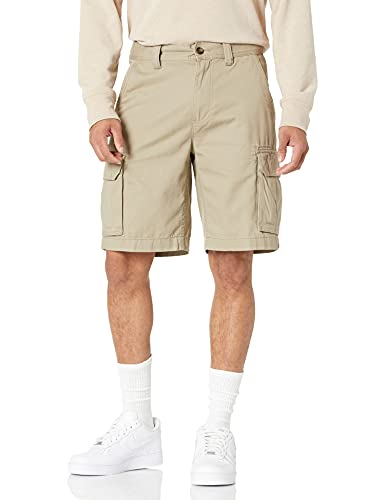
Prioritize Fabric Composition and Weight
The most critical decision you will make is choosing the right material. For flat front shorts, you generally have two directions: cotton-based blends or synthetic performance fabrics. If you are looking for a classic, structured look that pairs well with a polo or a button-down, look for cotton twill. Cotton provides a matte finish and a substantial feel that holds its shape throughout the day. However, pure cotton can wrinkle easily and may hold moisture if you are active. To combat this, seek out cotton-spandex blends. A small percentage of elastane (usually 2-3%) provides much-needed stretch, allowing the shorts to move with you without losing that crisp, flat-front aesthetic. If your primary use case involves heat and high activity, consider technical polyester blends that offer moisture-wicking properties and faster drying times, though these may feel slightly less 'formal' than traditional twill.
Mastering the Inseam Length
The length of your shorts dictates the entire vibe of your outfit. In the current landscape of men's fashion, inseam lengths have shifted significantly. A 7-inch inseam is the modern standard for a contemporary, athletic look. It typically hits a few inches above the knee, making your legs appear longer and providing a more intentional, styled appearance. If you prefer a more conservative or traditional aesthetic, a 9-inch or 10-inch inseam will likely hit right at or just below the knee. When choosing, consider your height and body type. Shorter men often benefit from the 7-inch length to avoid being swallowed by fabric, while taller men may find a slightly longer inseam provides a more balanced proportion. Always remember that the 'flat front' design is meant to emphasize a clean line, so a length that is too long can sometimes negate the slimming effect of the lack of pleats.
Construction Details and Durability
Since these shorts are designed for frequent wear, pay close attention to the hardware and stitching. Look for reinforced stitching at the stress points, specifically the crotch and the pocket corners, to prevent premature tearing. The waistband is another area where quality shows. A sturdy waistband with high-quality belt loops ensures that your shorts stay in place when you add a leather belt. Furthermore, check the pocket depth. A common complaint with budget-friendly shorts is shallow pockets that cause phones or wallets to slide out when sitting. Deep, functional pockets are a hallmark of a well-designed pair of utility shorts. Finally, consider the closure mechanism. A high-quality button and a smooth zipper fly are essential for long-term reliability, ensuring the shorts remain easy to wear and maintain over multiple seasons.
Matching Style to Occasion
To get the most value out of your purchase, categorize how you intend to wear them. For 'Smart Casual' environments, stick to darker neutrals like navy, olive, or khaki in a heavy cotton twill. These colors hide stains better and look more polished. For 'Weekend Casual' or beach settings, lighter colors and lighter-weight fabrics are more appropriate. By selecting a pair based on a specific use case, you avoid the trap of buying a 'jack-of-all-trades' short that is too casual for work but too stiff for the beach.