Understanding Fleece Fabric Weights and Textures
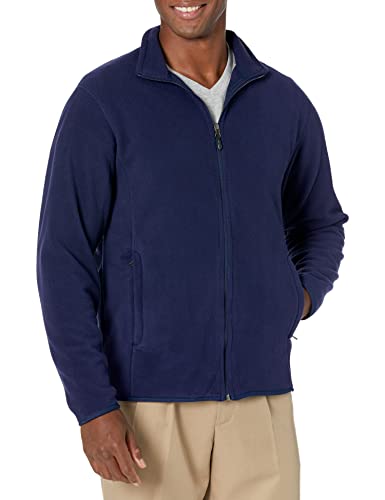
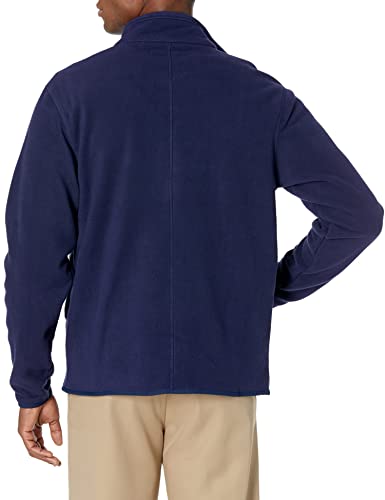
Not all fleece is created equal. The first decision you must make is determining the weight of the fabric, which dictates the coat's primary function. Microfleece is the lightest option. It is thin, highly compressible, and best suited for layering under a heavier shell or for indoor use. If you are looking for a standalone piece for autumn walks, look for mid-weight fleece. This provides a balance of warmth and breathability. For true winter utility, seek out heavyweight or 'sherpa' style fleece. These fabrics feature a thicker, loftier pile that traps significantly more air, creating a thermal barrier against the cold. Pay attention to the texture: smooth-faced fleece is often more wind-resistant and looks more polished for casual outings, while high-pile or fuzzy fleece offers maximum heat retention but can appear more rugged and voluminous.
Evaluating Warmth vs. Breathability
The core purpose of a fleece coat is thermal regulation. A high-quality fleece works by trapping body heat within its fibers. However, if the weave is too tight or the fabric is overly synthetic without proper ventilation, you may find yourself overheating during physical activity. If your goal is active use—such as hiking or brisk walking—prioritize high breathability. Look for designs that incorporate articulated sleeves or mesh-lined pockets to allow moisture vapor to escape. If your goal is stationary warmth, such as commuting or outdoor lounging, prioritize 'loft.' The higher the loft (the thickness of the fabric), the better the coat will insulate you against static cold.
Key Construction Features to Inspect
A coat is only as good as its hardware and seams. When evaluating a fleece coat, look closely at the following:
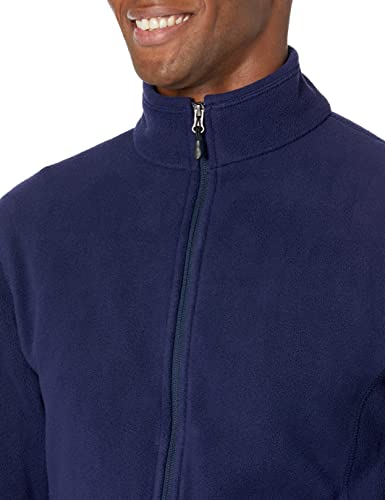
- Zippers: Ensure the main zipper is robust. A stiff or flimsy zipper will quickly become a point of failure in a garment you intend to wear frequently. Full-zip models offer better temperature control, while quarter-zip pullovers provide a more relaxed, casual aesthetic.
- Pocket Configuration: For outdoor utility, zippered hand pockets are essential to keep your phone and keys secure. If you plan on layering, ensure the pockets are positioned high enough that they aren't obscured by a heavier outer jacket.
- Cuffs and Hem: Elasticized cuffs and a cinched hem help seal in heat by preventing cold drafts from entering the garment. This is a critical feature for preventing 'heat leaks' at the wrists and waist.
- Collar Height: A stand-up collar provides much better protection for the neck area than a fold-over collar, making it a superior choice for windy environments.
Determining the Right Fit for Layering
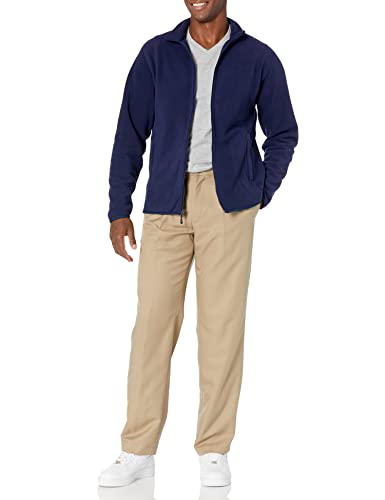
The fit of a fleece coat is highly dependent on its intended use. If you plan to use the coat as a mid-layer (worn underneath a rain jacket or heavy parka), opt for a 'slim' or 'athletic' fit. A coat that is too baggy will create air gaps that negate the insulating properties of your outer shell. Conversely, if the fleece is your primary outer layer, choose a 'regular' or 'relaxed' fit. This allows you to wear a sweater or a long-sleeve thermal underneath without feeling restricted in the armpits or shoulders. Always check the shoulder seam. It should sit right at the edge of your natural shoulder to ensure the coat moves with you rather than against you.