Understanding Fleece Weight and Density
Not all fleece is created equal, and the most critical decision you will make is selecting the appropriate weight for your primary environment. Fleece is generally categorized by its GSM (grams per square meter), which dictates how much heat it traps. For indoor use or mild autumn days, a lightweight, microfleece is ideal. These are thin, highly breathable, and pack easily into a backpack. However, if you are looking for an outer layer for colder climates, you should seek out mid-weight or heavy-weight fleece. Heavier fleece utilizes a thicker pile that creates more air pockets, providing superior insulation. If you plan to use the jacket as a standalone piece in freezing temperatures, prioritize density over thinness.
Fabric Composition and Texture
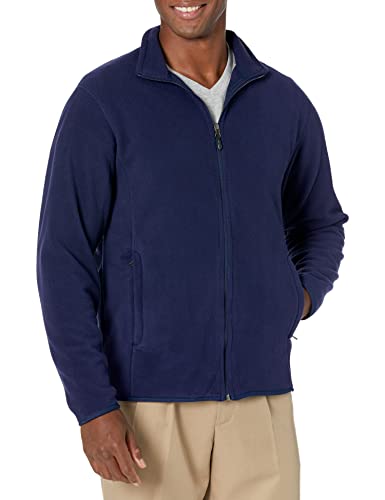
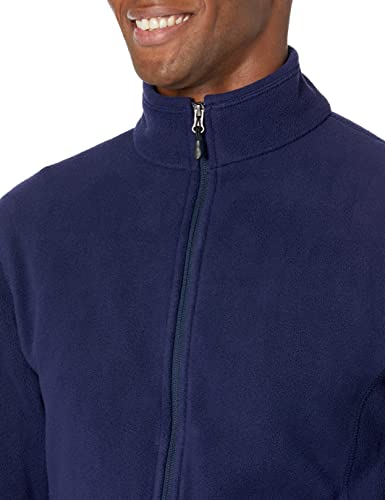
The texture of the fleece significantly impacts its performance and 'feel' against the skin. You will encounter several distinct styles: 1) Microfleece, which is smooth and low-profile, making it perfect for layering under a windbreaker or shell. 2) Sherpa-style fleece, which mimics the look and feel of sheepskin, offering maximum loft and a rugged, cozy aesthetic. 3) Grid fleece, which features a distinctive pattern of raised squares. Grid fleece is a technical choice. The channels between the squares allow moisture to escape while the raised areas trap heat, making it the superior option for high-activity pursuits like hiking or running. When choosing, consider whether you want a jacket that looks polished for casual outings or one that is engineered for physical exertion.
Fit, Functionality, and Layering Potential
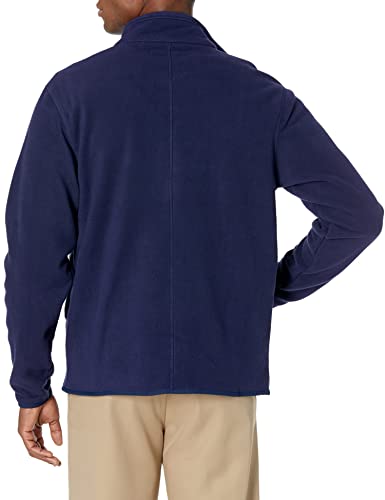
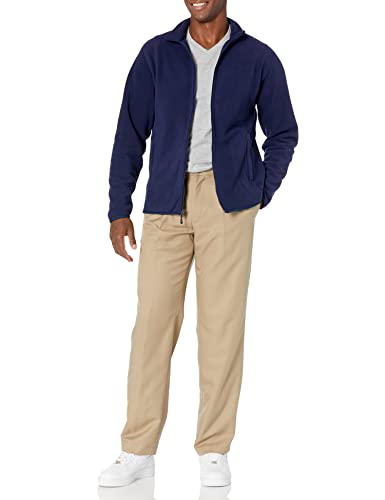
A fleece jacket is rarely a solitary garment. It is almost always part of a layering system. Therefore, the fit must be intentional. If you intend to wear the jacket as a base layer or a mid-layer under a heavy coat, opt for a 'slim' or 'athletic' fit to avoid unnecessary bulk that restricts movement. Conversely, if the jacket is your primary outer layer, a 'regular' or 'relaxed' fit is preferable to accommodate sweaters or thermal shirts underneath. Pay close attention to the hem and cuffs. Elasticized cuffs help seal in body heat, while an adjustable drawstring hem allows you to customize the seal against wind. Additionally, check the zipper quality. A smooth-gliding, full-length zipper is vital for temperature regulation, allowing you to vent heat quickly when you warm up.
Durability and Maintenance Considerations
Because fleece is a synthetic material (usually polyester), it is prone to two main issues: pilling and static. To ensure longevity, look for jackets that mention high-density knitting, which helps resist the formation of those small, annoying fuzz balls. From a maintenance standpoint, fleece is incredibly easy to care for, but you must avoid fabric softeners. Softeners can coat the fibers and clog the breathability of the material, effectively ruining its thermal properties. Stick to cool washes and low-heat drying to keep the pile soft and the structure intact for years to come.