Understanding Safety Toe Standards
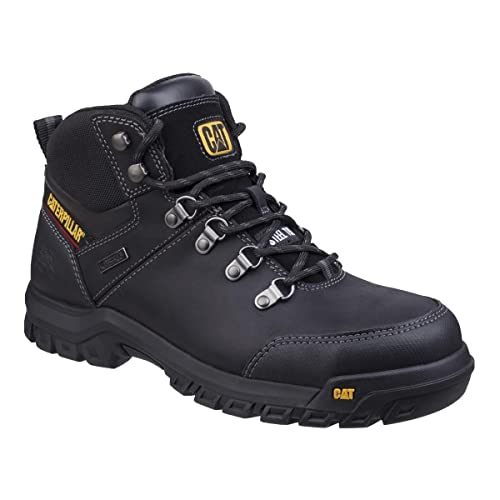
The most vital component of any industrial boot is the protective toe cap. Depending on your workplace safety requirements, you will typically choose between steel toe, composite toe, or alloy toe constructions. Steel toe boots offer the highest level of impact resistance and are often more affordable, but they can become heavy and conduct heat or cold, which may be an issue in extreme climates. Composite toes, made from non-metallic materials like carbon fiber or high-density plastics, are lighter and do not conduct temperature, making them ideal for workers in refrigerated environments or those who go through metal detectors frequently. Alloy toes provide a middle ground, offering the strength of steel with less bulk. Always ensure the boots meet the specific safety ratings required by your employer or local occupational safety regulations.
Outsole Traction and Slip Resistance
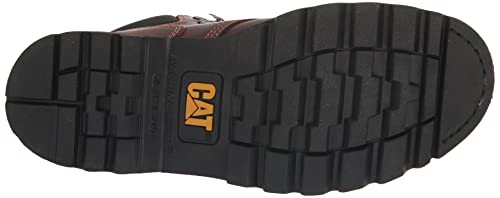
In industrial settings, many accidents occur due to slips on oily, wet, or uneven surfaces. When evaluating boots, look closely at the outsole pattern. A deep, multidirectional lug pattern is essential for traversing loose dirt or gravel, while a specialized rubber compound designed for slip resistance is necessary for smooth, oily warehouse floors. Look for outsoles that offer high abrasion resistance to ensure the tread doesn't wear down prematurely under heavy use. A boot with a wide base provides better lateral stability, reducing the risk of ankle rolls when carrying heavy loads.
Material Durability and Weatherproofing
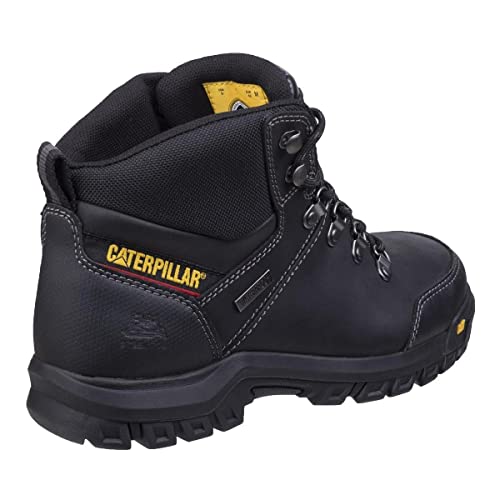
The upper material of your boot determines how well it will hold up against abrasions, moisture, and chemical splashes. Full-grain leather is the gold standard for durability and natural water resistance, as it can be conditioned to last for years. For those working in wet environments, look for boots that feature a waterproof membrane integrated into the construction. This allows moisture to escape from the inside (preventing sweat buildup) while preventing external water from seeping in. If you work around specific chemicals, verify that the leather or synthetic upper is rated for chemical resistance to prevent degradation.
Ergonomics and All-Day Comfort
Industrial work often involves standing or walking on hard concrete for 8 to 12 hours a day. A boot that is safe but uncomfortable will lead to fatigue and long-term musculoskeletal issues. Prioritize boots with advanced midsole cushioning, such as EVA (ethylene vinyl acetate) or polyurethane, which provide shock absorption for your joints. Furthermore, consider the weight of the boot. Heavy footwear can lead to leg fatigue. A well-designed boot will balance heavy-duty protection with lightweight ergonomic engineering. Finally, ensure the boot offers adequate ankle support to stabilize the foot during repetitive climbing or pivoting motions.