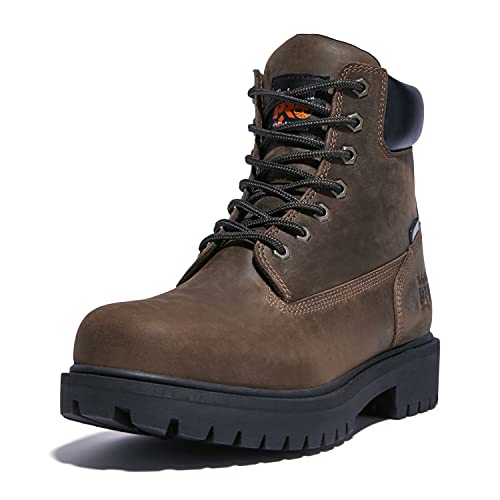
Understanding Safety Toe Standards
The most fundamental decision in selecting industrial boots is the type of protective toe cap required for your specific environment. Most professional-grade boots offer three primary options: steel, composite, or alloy. Steel toes provide the highest level of impact protection and are often more cost-effective, but they can be heavy and conduct temperature, making them uncomfortable in extreme heat or cold. Composite toes, made from non-metallic materials like carbon fiber or plastic, are lighter and do not conduct heat, making them ideal for workers in temperature-sensitive environments or those who frequently pass through metal detectors. Alloy toes offer a middle ground, providing the strength of metal with a thinner, lighter profile. Always check your job site's specific safety requirements to ensure your choice meets the necessary ASTM or ISO standards.
Outsole Traction and Slip Resistance
In industrial settings, a slip is often the precursor to a serious injury. When evaluating the outsole, look for specialized rubber compounds designed for high-traction performance. If you work in environments with oil, grease, or water, you need a slip-resistant rating that ensures the tread pattern can channel liquids away from the contact point. Look for deep lug patterns that provide grip on loose dirt or gravel, but ensure the tread is also designed to shed debris so it doesn't become a smooth, dangerous surface over time. The way the outsole is attached to the upper—whether it is cemented or stitched—also dictates how well the boot will hold up against constant abrasion.
Support, Cushioning, and Fatigue Management
Industrial work often involves standing on concrete for ten to twelve hours a day. This puts immense strain on the arches, heels, and lower back. To combat this, look for boots that feature advanced midsole technology. High-quality industrial boots often utilize anti-fatigue technology, which utilizes specialized foam or gel inserts to absorb shock and return energy to the foot with every step. Beyond cushioning, structural support is vital. A boot with a rigid shank—a piece of material embedded in the sole—provides stability on uneven ground and prevents the foot from over-flexing, which reduces the risk of plantar fasciitis and other chronic issues.
Material Durability and Waterproofing
The upper material of your boot determines how well it resists the elements and physical wear. Full-grain leather is the industry standard for a reason: it is incredibly durable, naturally water-resistant, and can be conditioned to last for years. If your work involves significant exposure to moisture, ensure the boot features a waterproof membrane. This allows sweat to escape while preventing external water from seeping in. For those working in more abrasive environments, look for reinforced areas around the toe and heel, as these are the first points of failure in most industrial boots. A well-constructed boot should feel substantial without being so heavy that it hinders your agility.