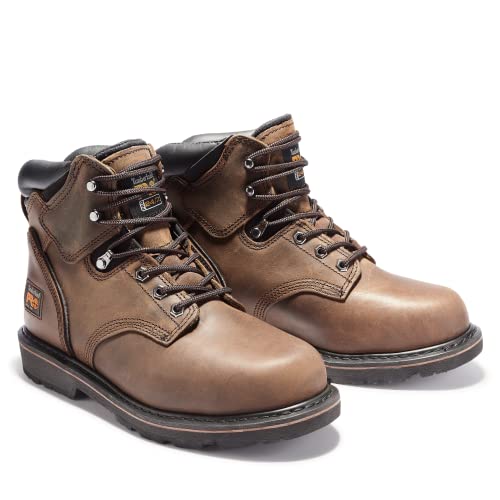
Prioritize Safety Rating and Toe Protection
The most critical decision factor is the level of impact protection required by your job site. Timberland Pro offers several tiers of toe protection. Steel toes provide the highest level of impact and compression resistance, making them ideal for heavy construction or warehouse environments where heavy objects are frequently moved. If you work in environments with electrical hazards, ensure the model you select is rated as non-metallic, as steel can conduct electricity. Alternatively, composite toes offer a lighter weight and do not conduct temperature as quickly as steel, which is a major benefit for those working in extreme cold. Always check if your specific job site mandates a specific safety rating before purchasing.
Evaluate Outsole Traction and Slip Resistance
In industrial settings, a slip is often a precursor to a serious injury. Timberland Pro is known for its advanced outsole technology designed to grip oily, wet, or uneven surfaces. When choosing a shoe, look at the tread pattern. Deep, aggressive lugs are better for soft ground, mud, or gravel, providing the mechanical grip needed to prevent sliding. For indoor warehouse work or smooth concrete floors, look for specialized slip-resistant outsoles that utilize high-friction rubber compounds. The ability of the outsole to resist chemical degradation is also a key factor if you work around solvents or oils, as standard rubber can degrade and lose traction over time.
Focus on Internal Ergonomics and Anti-Fatigue Technology
Industrial work often involves standing for ten to twelve hours at a time. This is where Timberland Pro differentiates itself through proprietary cushioning systems. Look for models featuring advanced anti-fatigue technology, which uses specialized midsole materials to absorb shock and return energy to the foot. This reduces the strain on your knees, hips, and lower back. Beyond the midsole, consider the internal lining. Moisture-wicking materials are essential to prevent blisters and fungal growth caused by perspiration. A shoe that offers excellent protection but causes foot fatigue will eventually become a liability rather than an asset.
Consider Material Durability and Weatherproofing
The upper material of your shoe determines how long it will last in harsh conditions. Full-grain leather is the gold standard for industrial footwear because it is naturally durable and can be treated to become water-resistant. If you are frequently working in rain, snow, or damp environments, prioritize models that explicitly mention waterproof membranes. These membranes allow sweat to escape while preventing external moisture from entering. Furthermore, pay attention to the construction of the eyelets and stitching. Reinforced stitching in high-stress areas ensures the shoe won't fall apart under the mechanical stress of a demanding workday.
Decision Logic: Matching the Shoe to the Task
To make your final selection, use this logic: If you are on a construction site with heavy falling hazards, go with a steel-toe, waterproof leather boot. If you are a logistics professional walking long distances on flat, dry warehouse floors, opt for a lightweight, composite-toe shoe with high energy return. If you work in a kitchen or a facility with frequent liquid spills, prioritize a slip-resistant, non-metallic option. By aligning the technical features of the shoe with the specific hazards of your environment, you ensure both long-term safety and daily comfort.