Prioritizing Fabric Technology and Weather Resistance
When shopping for lightweight hunting jackets, the most critical factor is the textile construction. Because these jackets are designed to be thin, they cannot rely on loft for warmth. Instead, they must rely on windproofing and moisture management. Look for ripstop nylon or specialized polyester blends that offer a high degree of wind resistance. A jacket that allows wind to penetrate easily will strip away your body heat, rendering any base layers underneath useless. Additionally, consider the DWR (Durable Water Repellent) rating. While a lightweight jacket isn't a heavy-duty raincoat, a water-resistant finish is essential for handling morning dew or a light autumn drizzle without the fabric becoming heavy and sodden.
The Layering Equation: Fit and Volume
A lightweight jacket is rarely a standalone piece in a whitetail hunter's arsenal. It is almost always a component of a layering system. This means the 'fit' is a decision factor that goes beyond mere aesthetics. If the jacket is too slim, you won't be able to fit a heavy fleece or a thermal mid-layer underneath without restricting your blood flow. Conversely, if it is too baggy, you create excess air pockets that can actually lead to convective cooling. Seek a 'technical fit'—one that is tailored enough to prevent snagging on brush or equipment, but voluminous enough to accommodate a mid-layer. Always test the jacket by simulating a movement—like reaching upward for a bow or adjusting binoculars—to ensure the hem doesn't ride up excessively.
Mobility and Silent Movement
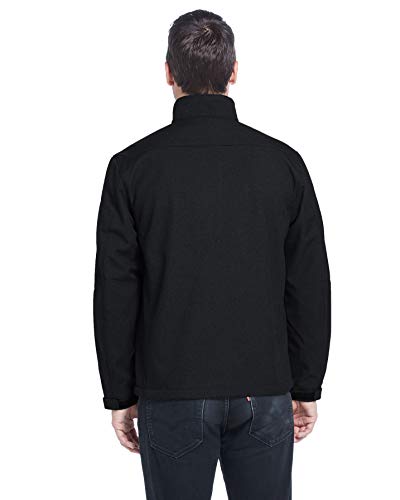
In whitetail hunting, silence is as important as warmth. Many lightweight synthetic jackets can produce a 'swish' sound every time you move your arms, which can alert deer in a quiet woods environment. When evaluating a jacket, pay close attention to the texture of the fabric. Matte finishes are generally quieter than shiny, high-gloss technical fabrics. Furthermore, look for articulated elbows and gusseted underarms. These design features allow for a full range of motion during stalking or climbing without the fabric pulling tight against your skin, which helps maintain both stealth and comfort.
Storage and Field Utility
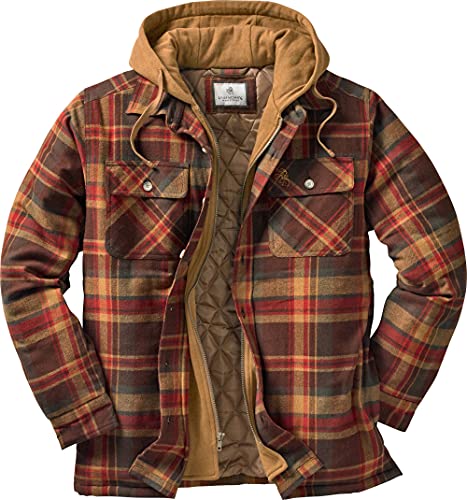
Even a lightweight jacket should offer functional utility. Look for zippered security pockets that are positioned so they don't interfere with your chest harness or backpack straps. Pockets should be deep enough to hold essential items like a smartphone, a small compass, or extra scent eliminator without the items bouncing around. Finally, consider the hood design. A lightweight hood should be low-profile enough to stay out of your line of sight when using optics, but adjustable enough to stay secure when a gust of wind hits.