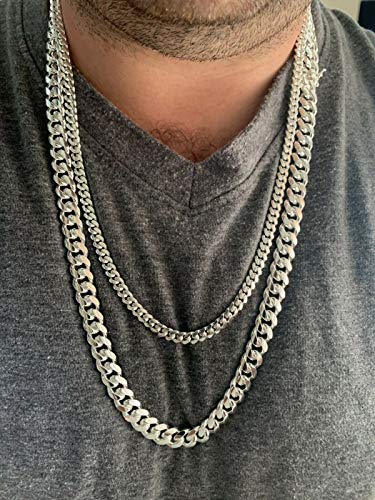
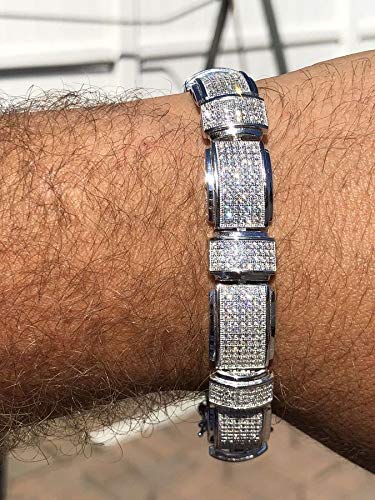
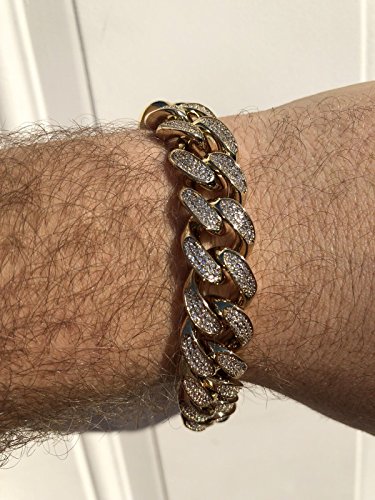
The first decision in selecting a Harlembling link bracelet is the material. Most high-quality pieces in this category utilize sterling silver or gold plating over precious metals. If you prefer a piece that develops a unique character over time, look for sterling silver with an oxidized or 'antiqued' finish. This intentional darkening in the crevices of the links enhances the three-dimensional look of the pattern. If you want a piece that screams luxury and stands out against dark clothing, a gold-toned finish is the way to go. Pay close attention to the weight of the metal. A substantial, heavy feel is often a hallmark of quality in men's link bracelets, providing a sense of permanence on the wrist.
Understanding Link Styles and Patterns
Not all links are created equal. Harlembling is known for intricate patterns that deviate from standard, mass-produced styles. You will encounter several distinct categories:
- Cuban and Curb Links: These are classic, interlocking circular or oval links. They offer a smooth, fluid movement on the wrist and are the gold standard for a timeless look.
- Textured and Geometric Links: Some Harlembling designs feature knurling, hammered finishes, or geometric cutouts. These are ideal for men who want their jewelry to feel more like 'armor' or a piece of wearable art rather than a simple chain.
- Mixed-Media Links: Look for bracelets that incorporate different textures or even subtle stone accents within the link structure. These add depth and prevent the bracelet from looking one-dimensional.
The Importance of Scale and Proportion
A common mistake in men's jewelry is choosing a bracelet that is either too delicate or overwhelmingly massive. The 'right' size depends heavily on your wrist circumference and your overall frame. If you have a larger, more muscular build, a wider link bracelet (typically 10mm to 15mm) will look proportional. If you have a slimmer wrist or prefer a more understated look, a narrower link (5mm to 8mm) is more appropriate. Additionally, consider the 'drape' of the bracelet. A high-quality link bracelet should move naturally with your wrist without feeling stiff or pinching the skin.
Evaluating the Clasp Mechanism
Because link bracelets can be heavy, the clasp is the most critical functional component. A weak clasp can lead to a lost investment. Look for robust lobster claws or integrated box clasps that sit flush with the links. An integrated clasp is particularly desirable because it maintains the visual continuity of the bracelet pattern, making it look like a solid loop rather than a broken chain. Always ensure the clasp feels secure and provides a tactile 'click' when engaged.
Style Integration: Where to Wear It
Before purchasing, visualize your existing wardrobe. A high-polish, sleek link bracelet works exceptionally well with 'smart casual' attire—think crisp linen shirts and navy blazers. Conversely, a heavy, oxidized silver bracelet with a rugged texture is the perfect companion for leather jackets, denim, and more rebellious, street-style aesthetics. Choosing a piece that complements your daily 'uniform' ensures you get maximum value out of your purchase.