Prioritizing Weight vs. Durability
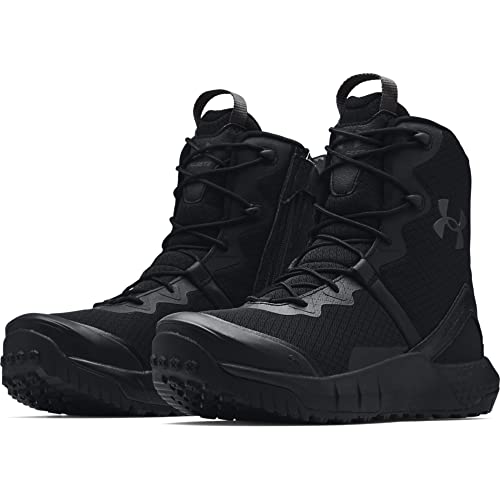
The primary decision factor in selecting a tactical boot is the balance between weight and structural integrity. Under Armour typically offers two distinct styles: lightweight trainers and heavy-duty duty boots. If your mission involves high-tempo movement, rapid transitions, or long periods of walking on paved surfaces, a lightweight tactical trainer will reduce leg fatigue significantly. These models often utilize synthetic mesh and high-tech fabrics to keep the boot breathable. However, if you are operating in environments with heavy debris, sharp rocks, or constant moisture, you may need to opt for a model with more robust overlays and reinforced toe caps. Always consider your primary environment before deciding how much 'bulk' you can afford to carry on your feet.
Traction and Outsole Engineering
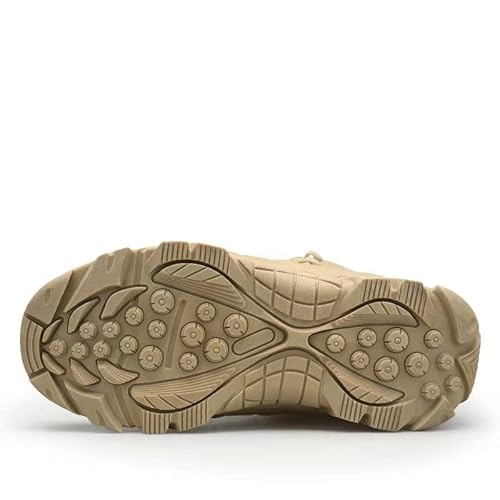
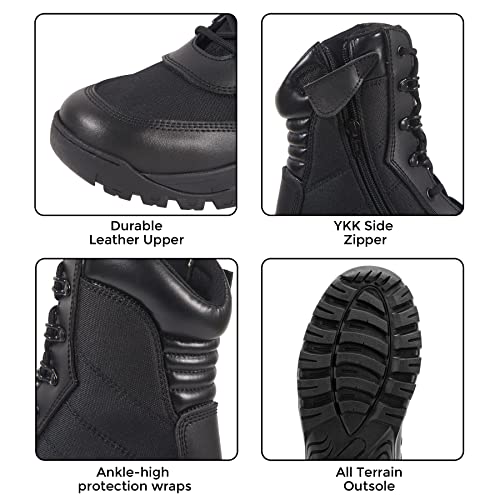
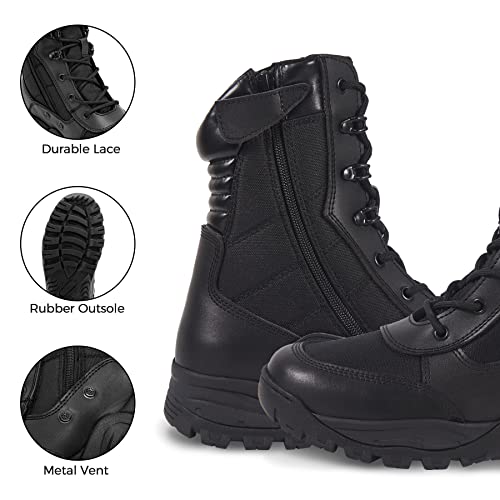
A boot is only as good as its contact with the ground. When evaluating Under Armour military boots, examine the lug pattern on the outsole. For urban environments or gym-based training, a flatter, more versatile tread pattern provides better stability on smooth surfaces. For field operations, you should look for deep, multi-directional lugs that can bite into loose soil, mud, or gravel. The rubber compound is equally important. You want a sole that offers high friction (grip) but is durable enough not to wear down prematurely against abrasive concrete. Look for designs that feature specialized traction zones to prevent slipping during sudden lateral movements.
Breathability and Climate Control
Foot health is a critical component of long-term performance. Trapped heat and moisture lead to blisters, fungal issues, and general discomfort. Under Armour utilizes advanced moisture-wicking technologies to address this. If you operate primarily in hot, arid climates, prioritize models with high air permeability and mesh construction. If you are stationed in temperate or wet environments, you will need to look for boots featuring waterproof membranes. The key is to ensure that the waterproofing does not come at the cost of breathability. A waterproof boot that acts like a plastic bag will cause your feet to sweat excessively, leading to the very discomfort you are trying to avoid.
Support and Cushioning Systems
Military boots endure much higher impact loads than standard hiking boots due to the weight of tactical gear and body armor. Pay close attention to the midsole technology. Under Armour often integrates specialized foam cushioning designed to absorb shock and return energy, which is vital for preventing joint pain during long shifts. Furthermore, look at the ankle support. High-top configurations provide the lateral stability necessary to prevent rolls on uneven ground, whereas mid-cut versions offer a compromise between mobility and support. Ensure the heel cup is rigid enough to lock your foot in place, preventing internal sliding that causes friction and blisters.
Recommendation Logic
To make the final selection, categorize your needs: if you are a trainer or urban responder, go for the lightweight, breathable, mid-cut models. If you are a field operative, prioritize the waterproof, high-traction, reinforced models. Always prioritize the boot that addresses your most frequent environmental challenge first.