Prioritize Weight vs. Protection
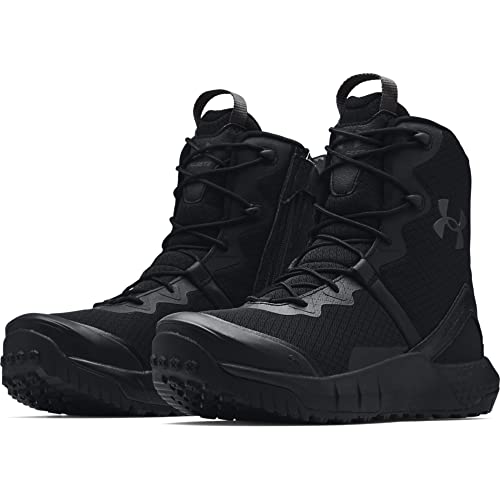
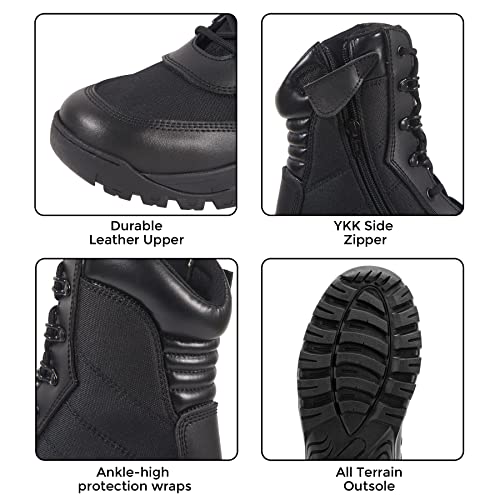
One of the first decisions you must make is the balance between agility and shielding. Under Armour offers several variations of tactical boots that cater to different mission profiles. If your primary role involves rapid movement, urban patrolling, or training exercises that require high mobility, look for lightweight, athletic-style tactical boots. These models often feel more like high-top running shoes, providing excellent energy return and reducing the metabolic cost of movement. However, if you are working in environments with high debris, heavy equipment, or potential puncture hazards, you may need a more structured boot with reinforced toe caps and thicker sidewalls. While heavier, these provide the structural integrity necessary to protect your feet during long rucks or in harsh terrain.
Analyze Outsole Traction and Terrain Compatibility
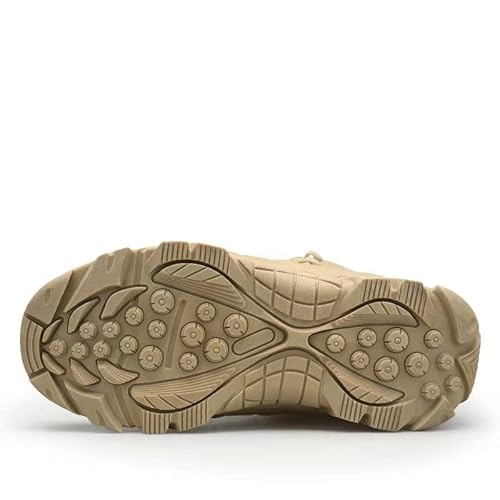
The outsole is the interface between you and the ground. In a tactical context, traction is a safety requirement, not just a convenience. When evaluating Under Armour boots, examine the lug pattern of the outsole. Deep, aggressive lugs are essential if you are frequently operating in mud, loose dirt, or uneven forest floors, as they provide the mechanical grip needed to prevent slipping. Conversely, if your operations are primarily urban—pavement, concrete, or polished indoor surfaces—you should look for a lug pattern that is slightly more compact or features specialized rubber compounds designed for high friction on hard surfaces. A lug pattern that is too aggressive on concrete can feel unstable and wear down prematurely, while a flat sole will fail you in the mud.
Understand Waterproofing and Breathability Trade-offs
Environmental management is a key factor in long-term comfort. Under Armour utilizes various membrane technologies to manage moisture. If you are deployed to wet, marshy, or snowy climates, a waterproof membrane is non-negotiable. This keeps external moisture out, but it also traps sweat inside. To combat this, look for boots that integrate moisture-wicking linings to pull perspiration away from the skin. If you are operating in arid, high-heat environments, you might actually want to skip the waterproof membrane in favor of a highly breathable, non-waterproof boot. A waterproof boot in a desert environment can quickly lead to heat exhaustion or severe blistering due to internal moisture buildup. Match the boot's weatherproofing to your primary theater of operation.
Support, Stability, and Midsole Technology
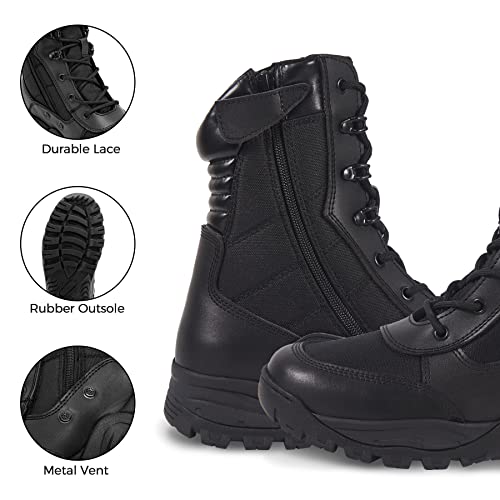
Finally, consider the internal architecture of the boot. Tactical boots must support the ankle during lateral movements to prevent rolls and sprains. Look for boots with reinforced ankle collars and a stable heel cup. Furthermore, the midsole technology determines how much impact your joints absorb. Under Armour often integrates specialized cushioning that mimics athletic footwear, which is excellent for reducing the impact on your knees and lower back during long periods of standing or walking on hard surfaces. A high-quality midsole should offer a balance: enough compression to absorb shock, but enough firmness to provide a stable platform for heavy lifting or sudden pivots.