Determine Your Primary Use Case
Before browsing styles, you must identify the environment where the vest will live. If you are primarily an outdoor enthusiast—someone who spends time hiking, fishing, or camping—you should prioritize technical performance. Look for water-resistant shells and high-loft insulation that traps heat even in damp conditions. Conversely, if your goal is 'lifestyle' wear—meaning you want to look sharp at a brewery or a casual office—focus on aesthetic textures like matte nylon or brushed fleece. A technical puffer vest might look out of place in a professional setting, just as a quilted sweater vest will fail to protect you from a sudden mountain drizzle.
Understand Insulation Types
The core function of a vest is thermal regulation. You will generally encounter three types of insulation: synthetic, down, and fleece. Synthetic insulation is the workhorse of the casual outerwear world. It is highly durable, easy to machine wash, and retains warmth even if it gets wet. This makes it the best choice for everyday rugged use. Down insulation offers the highest warmth-to-weight ratio, making it incredibly lightweight and compressible, though it is more expensive and requires more careful maintenance. Finally, fleece vests are best for low-intensity activity or as a mid-layer under a heavier coat, providing soft comfort and breathability rather than windproofing.
Evaluate Fabric and Shell Durability
The 'shell' of the vest determines how it interacts with the elements. A ripstop nylon shell is excellent for those prone to snagging their gear on branches or tools, as it prevents small tears from spreading. For a more polished look, polyester blends often provide a smoother finish that resists wrinkling. Pay close attention to the windproofing capabilities. A vest with a tight weave or a wind-resistant membrane is essential if you plan on walking in gusty, open areas. If you live in a rainy climate, ensure the fabric has a Durable Water Repellent (DWR) coating to help moisture bead off the surface.
Prioritize Fit and Layering Capability
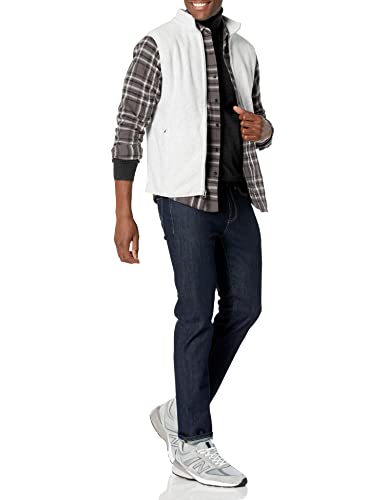
The most common mistake in buying a vest is choosing a fit that is too tight. A vest is designed to be worn over other clothing. If you buy a slim-fit vest that only fits a t-shirt, you will find it useless once you try to layer a flannel or a sweater underneath. When trying on a vest, always wear the type of mid-layer you intend to use most often. Check the armholes. They should be wide enough to allow for a full range of motion without pulling the hem of the vest up your torso. A well-fitting vest should sit just below the waistline, providing coverage for your core without looking like a bulky tunic.
Consider Pocket Configuration and Utility
Functional details can make or break the user experience. For outdoor utility, look for zippered security pockets to keep keys or a phone safe. For casual wear, side-entry handwarmer pockets are often sufficient. If you are using the vest for commuting, check for internal chest pockets, which are ideal for keeping slim items like a wallet or transit card easily accessible without creating an unsightly bulge on the exterior of the garment.