Prioritize Material Composition and Weight
The most critical decision factor in selecting a pullover is the fabric blend. Since most entry-level essential sweaters utilize a mix of cotton, synthetic fibers, and occasionally wool, you must consider how these materials interact with your lifestyle. Cotton-rich blends are highly breathable and ideal for layering under jackets during transitional seasons like spring or autumn. However, pure cotton can sometimes lose its shape over time if the knit is too loose.
If you are looking for warmth, seek out blends that incorporate acrylic or polyester. These synthetic fibers help retain heat and, more importantly, increase the garment's durability and resistance to shrinking during machine washes. If you opt for a sweater with a wool component, be prepared for a higher level of maintenance, as natural fibers are more prone to pilling and require gentler care to maintain their texture.
Select the Right Neckline for the Occasion
The neckline of your pullover dictates its formality and how it should be styled. A crewneck is the most versatile option, offering a classic, rounded silhouette that looks excellent over a simple t-shirt or a collared button-down. It is the gold standard for casual wear.
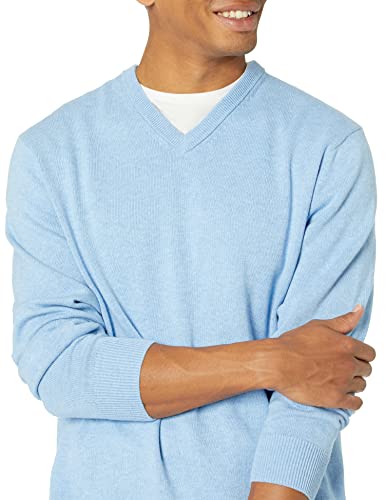
For a more sophisticated or 'preppy' aesthetic, consider a V-neck. The deeper neckline allows for the collar and tie of a dress shirt to be showcased, making it a superior choice for business-casual environments. If you prefer a rugged, heritage look, a mock neck or a turtleneck provides extra protection against the wind and adds a layer of visual complexity to your outfit. Always consider your face shape and neck length when choosing. For instance, crewnecks are generally more flattering for those with longer necks, while turtlenecks add structure to leaner profiles.
Evaluate Knit Density and Texture
Not all knits are created equal. A fine-gauge knit is thin, smooth, and lightweight, making it perfect for layering under a blazer or suit jacket without adding unnecessary bulk. These are your 'office' sweaters. Conversely, a chunky or cable-knit texture provides significant visual interest and warmth, making it a standalone statement piece for colder weather.
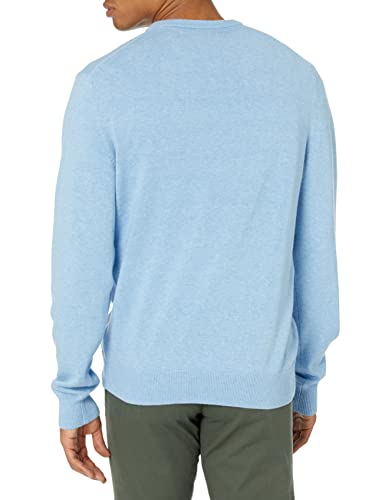
When inspecting a sweater, look at the density of the weave. A tight, consistent knit will hold its shape much longer than a loose, airy weave, which may sag at the elbows or hem after a few hours of wear. Pay close attention to the ribbing at the cuffs and the waistband. High-quality construction features reinforced ribbing that snaps back into place, preventing the 'stretched out' look that plagues lower-quality knitwear.
Fit and Silhouette Considerations
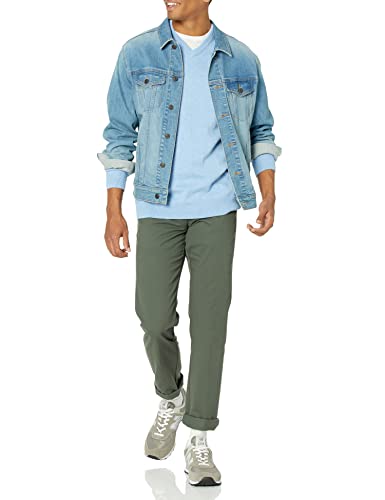
A sweater should skim the body, not cling to it or swallow it. A 'slim fit' is designed to follow the contours of your torso, making it ideal for layering. A 'classic' or 'regular' fit offers more room in the chest and waist, providing a more relaxed silhouette that is comfortable for all-day wear. Always check the shoulder seam. For a well-fitted sweater, the seam should sit right at the edge of your natural shoulder to prevent the garment from looking oversized or sloppy.