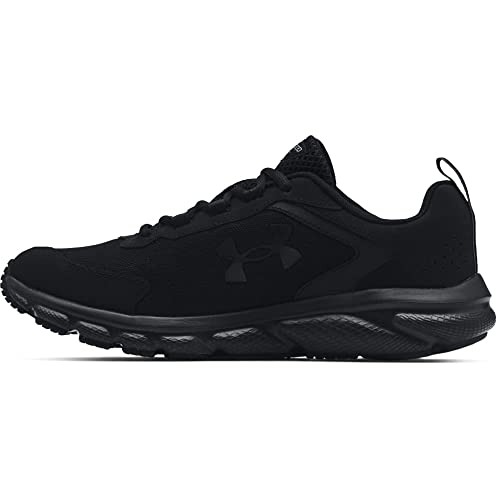
Understanding Cushioning Technologies
The most critical factor in selecting an Under Armour road shoe is the midsole composition. Under Armour utilizes various foam technologies designed to handle different impact levels. If you are a heavier runner or prefer a 'plush' sensation, you should look for models featuring high-stack, soft-density foam. This provides maximum shock absorption, which is vital for protecting your joints during long-distance road runs. Conversely, if you are a speed enthusiast looking to shave seconds off your tempo runs, prioritize models with responsive, energy-returning foam. These midsoles are engineered to be firmer and more 'snappy,' ensuring that less energy is lost when your foot pushes off the pavement. Understanding whether you need 'maximalist' cushioning for comfort or 'responsive' cushioning for speed will dictate your entire selection process.
Upper Construction and Breathability
Road running often involves high temperatures and repetitive friction. Under Armour excels in engineered mesh uppers that provide a balance of structural support and ventilation. When evaluating a shoe, check the density of the knit or mesh. A lightweight, highly breathable upper is ideal for summer training and preventing hotspots, but it may lack the lateral stability required for runners with an overpronating gait. Look for shoes that incorporate reinforced overlays in the midfoot. These act as a cage, keeping your foot locked down over the platform during turns and preventing your foot from sliding inside the shoe, which is a common cause of blisters on hard road surfaces.
Determining Your Support Needs
Not all road runners move the same way. You must identify your pronation pattern before committing to a specific silhouette. Neutral runners, who land on their midfoot or heel with a natural roll, will thrive in 'neutral' category shoes that offer flexibility and standard cushioning. However, if you find that your ankles roll inward excessively (overpronation), you should seek out Under Armour models designed with stability features. These typically include firmer foam on the medial side of the shoe or a wider base to prevent excessive inward movement. Choosing a neutral shoe when you actually need stability can lead to shin splints or knee pain over long distances.
Durability and Outsole Grip
Since road running subjects footwear to the abrasive nature of concrete and asphalt, the outsole is just as important as the midsole. Look for high-abrasion rubber patterns that cover high-wear zones like the heel and the forefoot. Under Armour often utilizes multi-directional traction patterns that help maintain grip even when the road is damp after a rainstorm. A shoe with a thin, minimal outsole might feel light, but it will wear down quickly on hard surfaces. For a daily trainer meant to last hundreds of miles, prioritize a robust rubber outsole that provides a consistent grip and protects the softer foam of the midsole from premature degradation.
The Final Fit Check
Finally, always account for 'foot swell.' As you run long distances on the road, your feet will naturally expand. When trying on Under Armour shoes, ensure there is approximately a thumb's width of space between your longest toe and the front of the shoe. A fit that feels 'perfectly snug' in the store may become painfully restrictive during a ten-mile run. Pay close attention to the heel lockdown. If your heel lifts significantly when you walk or jog, the shoe will likely cause friction issues on the road.