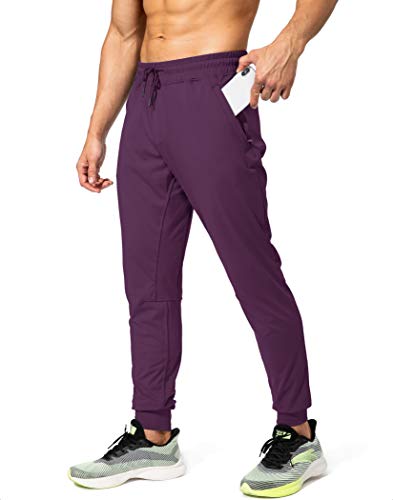
Prioritize Fabric Technology and Moisture Management
The most critical factor in any running pant is the textile composition. Avoid heavy cotton blends at all costs. Cotton absorbs sweat, becomes heavy, and stays damp, which can lead to chafing and rapid body temperature drops. Instead, look for synthetic blends—typically nylon, polyester, or elastane (Spandex). High-quality running pants utilize moisture-wicking technology that pulls perspiration away from the skin to the outer layer of the fabric where it can evaporate quickly. If you are running in cold climates, seek out brushed fleece linings or thermal properties that trap a thin layer of warm air against your body without adding excessive bulk.
Understand the Fit: Tapered vs. Loose
The silhouette of your running pants dictates how they perform during high-intensity movements. Most serious runners prefer a tapered or slim fit. A tapered leg prevents excess fabric from flapping against your shins or catching on your stride, which minimizes wind resistance and reduces the risk of tripping. Furthermore, a closer fit helps maintain a consistent microclimate around your legs. However, ensure the fit is not so restrictive that it impedes your hip flexors or knees. If you prefer a more relaxed feel, look for 'jogger-style' cuffs that provide a secure fit at the ankle while allowing more room through the thigh.
Assess Stretch and Range of Motion
Running is a multi-planar activity that requires significant hip and knee articulation. To ensure you aren't fighting your clothing, check the 'four-way stretch' capability of the garment. This means the fabric expands both crosswise and lengthwise, allowing you to stride deeply without the fabric pulling tight against your quads or hamstrings. A high percentage of elastane is a good indicator of this flexibility. If the pants feel stiff when you perform a deep lunge or a high-knee movement, they will likely cause discomfort during a long-distance run.
Weatherproofing and Seasonal Versatility
Your choice should be dictated by your local climate and the season. For autumn and spring, lightweight, wind-resistant softshells are ideal. They provide a barrier against the breeze while remaining breathable. For deep winter, look for heavier-weight thermal leggings or pants that incorporate windproof panels on the front of the legs. Some advanced designs feature articulated knees, which are pre-shaped to follow the natural bend of the leg, reducing the 'bunching' effect that occurs when you transition from standing to running.
Functional Details: Pockets and Reflectivity
Finally, consider the practical utility of the design. If you carry a smartphone, keys, or energy gels, look for integrated zippered pockets or dedicated waistband compartments that prevent items from bouncing against your leg. Bouncing items are a primary cause of distraction and skin irritation. Additionally, safety is paramount if you run during low-light hours. Prioritize pants with integrated reflective elements—such as strips on the calves or logos that catch light—to ensure you remain visible to motorists and cyclists.