Understanding Fabric Composition and Moisture Management
The most critical factor in selecting a Baleaf running shirt is the fabric blend. Most of their performance line utilizes a combination of polyester and spandex (elastane). Polyester is the workhorse of running gear because it is hydrophobic, meaning it repels water rather than absorbing it. This allows sweat to move through the fibers to the surface of the shirt where it can evaporate quickly. When browsing, look for terms like 'quick-dry' and 'moisture-wicking.' If you are a heavy sweater, prioritize shirts with a higher polyester count. If you prefer a shirt that offers more compression and a 'second-skin' feel during high-intensity intervals, look for blends with a higher percentage of spandex to provide four-way stretch.
Fit and Silhouette: Compression vs. Relaxed
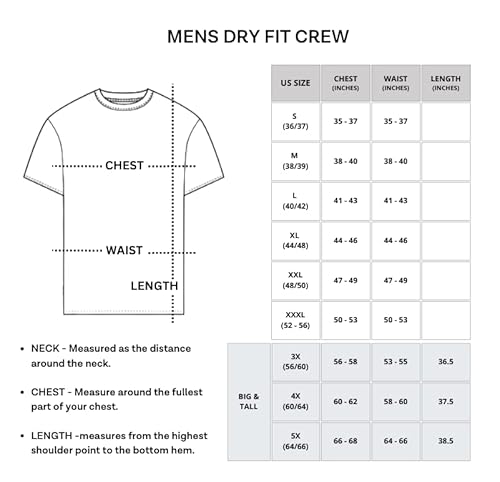
Baleaf offers a variety of cuts that cater to different running styles and body types. Understanding the distinction between a 'slim fit' and a 'regular fit' is essential for preventing discomfort. A slim or compression fit is ideal for preventing fabric from flapping against your skin, which can cause friction and chafing during long-distance runs. However, if you prefer better airflow and more freedom of movement, a relaxed or standard fit is preferable. For those who find tight clothing restrictive, look for shirts specifically labeled with 'four-way stretch' technology. This ensures that even a tighter fit will move dynamically with your torso as you rotate and pump your arms.
Thermal Regulation and Breathability
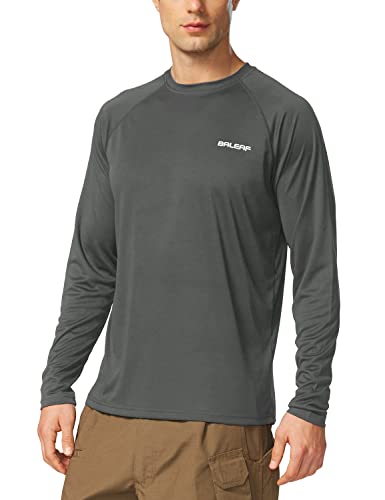
Running is an exothermic activity—you generate immense heat. A common mistake is choosing a shirt that feels soft but lacks breathability. When evaluating Baleaf options, pay attention to the knit pattern of the fabric. Many of their performance shirts feature micro-perforations or mesh panels, typically located in high-heat zones like the underarms, back, or sides. These zones are strategically placed to facilitate convective cooling. If you run primarily in warmer climates, prioritize shirts with these mesh integrations. Conversely, if you are a year-round runner, you may want to look for their lightweight long-sleeve options that provide sun protection without sacrificing the ability to vent heat.
Durability and Maintenance Considerations
High-performance synthetic fabrics are prone to two main issues: odor retention and pilling. While Baleaf uses high-quality synthetics, the longevity of your shirt depends on how you care for it. Look for shirts that mention anti-odor treatments or antimicrobial finishes, which help prevent the buildup of bacteria that cause that 'perma-stink' in gym clothes. To maintain the integrity of the spandex and the moisture-wicking properties, always avoid fabric softeners when washing your running gear. Softeners coat the fibers in a waxy layer that effectively kills the shirt's ability to wick sweat, turning a high-performance tool into a standard cotton-like garment.
Summary Recommendation Logic
To make your final decision, follow this logic: If your goal is maximum speed and minimal distraction, choose a slim-fit, high-polyester blend with mesh venting. If your goal is comfort and casual versatility, choose a regular-fit shirt with a softer fabric hand-feel. Always prioritize moisture-wicking capabilities over aesthetic design, as a shirt that stays heavy with sweat will significantly impact your running economy.