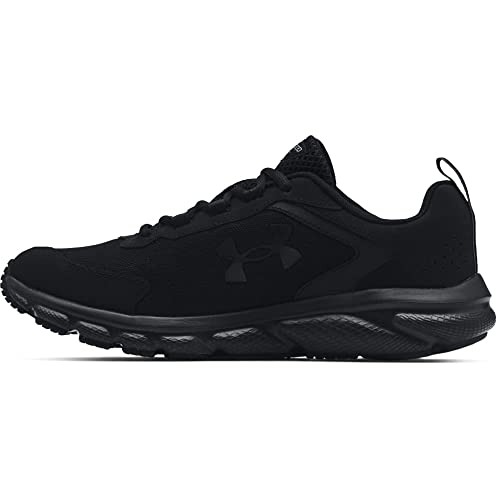
Understanding Cushioning and Energy Return
The most critical component of any Under Armour running shoe is the midsole technology. Unlike lifestyle sneakers, running shoes must manage the repetitive impact of your gait. Under Armour frequently utilizes specialized foam compounds designed to maximize energy return. When shopping, determine if you prefer a 'maximalist' feel—thick, plush midsoles that absorb heavy impact—or a 'responsive' feel, where the shoe feels springy and pushes you forward. If you are a heavier runner or prefer long, slow recovery runs, look for models with higher stack heights. If you are training for speed work or intervals, a lower-profile, more responsive midsole will prevent the shoe from feeling 'mushy' during quick foot strikes.
Stability vs. Neutral Support
Your foot mechanics play a decisive role in which category of shoe you should select. If you have high arches, you likely require a 'neutral' shoe that allows your natural gait to function without excessive interference. However, if you find that your ankles roll inward—a condition known as overpronation—you should prioritize stability models. Under Armour integrates various support structures, such as firmer foam on the medial side of the shoe or specialized heel counters, to keep your foot aligned. Choosing a neutral shoe when you need stability can lead to discomfort and injury, while wearing a heavy stability shoe if you have neutral mechanics can feel unnecessarily restrictive.
Terrain and Intended Use
Not all running surfaces are created equal, and your choice of shoe should reflect where you spend most of your mileage. For road running, you want smooth transitions and lightweight materials that breathe well in urban heat. If your training takes you onto gravel paths or light trails, you must look for models featuring enhanced outsole traction. Look for lug patterns that provide grip on uneven surfaces and reinforced toe caps to protect against debris. Attempting to run technical trails in a standard road shoe often results in a lack of lateral stability and poor grip, which can lead to slips and falls.
Breathability and Upper Construction
The upper of the shoe is what holds your foot in place and manages heat. Under Armour often employs engineered mesh that varies in density. It is tighter in areas requiring support and more open in areas requiring ventilation. For summer training, prioritize highly breathable, thin mesh uppers to prevent overheating and blisters. For colder climates or long-distance endurance efforts where foot swelling is common, look for an upper with enough stretch to accommodate your foot's natural expansion without creating pressure points. A well-constructed upper should feel like a second skin—secure enough to prevent sliding, but flexible enough to move with your foot.
Fit and Sizing Logic
Never buy running shoes based solely on your casual shoe size. During a run, your feet will swell due to increased blood flow. It is a standard recommendation to ensure there is about a thumb's width of space between your longest toe and the front of the shoe. When testing a pair, pay close attention to the midfoot lockdown. If your foot slides side-to-side inside the shoe, you lack the necessary stability for high-impact movement. A perfect fit should feel snug through the laces but never restrictive across the metatarsals.