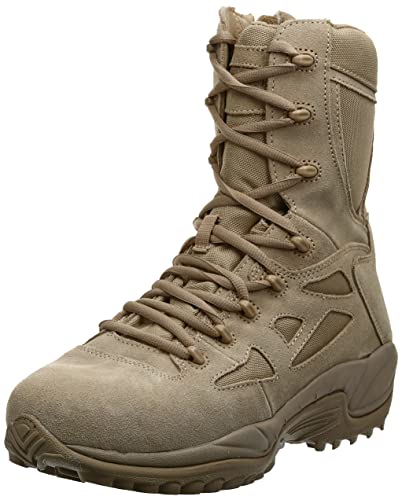
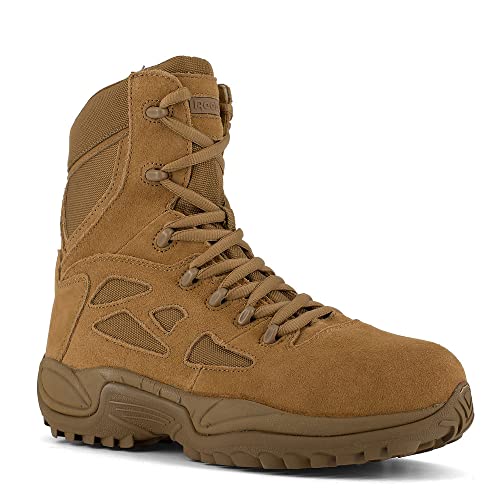
Understanding Protection Standards and Toe Caps
The most critical decision when selecting a safety boot is the type of impact protection required for your specific job site. Reebok typically offers variations in toe protection, most commonly through steel toes or composite toes. Steel toe boots provide the highest level of puncture resistance and are often more cost-effective, but they can be heavier and conduct temperature more easily, making them feel colder in winter and hotter in summer. Composite toes, often made of carbon fiber or high-strength plastics, are significantly lighter and do not conduct heat, making them the superior choice for technicians or workers who are constantly moving between temperature-controlled environments and outdoor sites. Always verify that the boots meet the specific safety ratings required by your employer or local safety regulations before finalizing your purchase.
Prioritizing Weight and Athletic Ergonomics
What sets Reebok apart from traditional, heavy-duty work boot manufacturers is their commitment to athletic ergonomics. If your workday involves walking several miles across uneven terrain or standing on concrete floors for eight to twelve hours, you should look for models that incorporate advanced midsole technology. Look for EVA (Ethylene Vinyl Acetate) midsoles or specialized foam cushioning that mimics the energy return found in running shoes. A heavy boot causes premature fatigue in the calves and hips. A Reebok safety boot designed with an athletic silhouette will allow for a more natural gait, reducing the risk of long-term musculoskeletal strain. If agility is your priority, opt for the mid-cut or low-cut styles that offer more ankle mobility.
Traction, Outsole, and Slip Resistance
A safety boot is only as good as its grip. In environments where oil, water, or fine dust are prevalent, the outsole pattern is your primary defense against slips and falls. When browsing the Reebok lineup, examine the tread depth and the lug pattern. Deep, aggressive lugs are ideal for soft ground, mud, and gravel, providing the mechanical bite needed to maintain stability. However, if you work primarily on smooth, polished warehouse floors, you should look for specialized slip-resistant rubber outsoles with high-friction compounds. The rubber should be rated for slip resistance to ensure that the tread pattern effectively channels liquids away from the contact point, preventing hydroplaning on slick surfaces.
Breathability and Material Durability
The upper material of your boot dictates how much moisture and heat will build up inside. Leather is the traditional choice for maximum durability and water resistance, providing a natural barrier against abrasions and spills. However, leather can be stiff and requires a break-in period. Many modern Reebok safety boots utilize a hybrid construction, combining leather in high-wear areas with synthetic mesh or textile panels in others. This hybrid approach offers the best of both worlds: the structural integrity of leather where you need it, and the breathability of a sneaker where you don't. If you work in damp or high-moisture environments, ensure the boot features a waterproof membrane to keep your feet dry and prevent blisters caused by moisture buildup.
Summary Recommendation Logic
To make the final decision, categorize your work environment first. For heavy construction and high-impact zones, prioritize steel toes and full-leather uppers. For logistics, warehousing, and light industrial work, prioritize composite toes, lightweight athletic midsoles, and high-breathability mesh. By matching the technical specification of the boot to the specific physical demands of your shift, you ensure that your Reebok boots act as a tool for productivity rather than a source of discomfort.