Prioritize Fabric Composition and Weight
The most critical decision in selecting a basic shirt is the material. For everyday wear, you will primarily encounter cotton, cotton blends, and synthetic performance fabrics. Pure cotton is the gold standard for breathability and skin comfort, particularly in poplin or oxford weaves. An Oxford cloth button-down (OCBD) is a perennial favorite because the heavier weight of the fabric provides a structured, rugged look that works perfectly under a sweater or on its own. If you are looking for something smoother and more formal, look for fine poplin or twill weaves. However, if you live in a humid climate or prioritize ease of maintenance, consider cotton-polyester blends. These blends are less prone to heavy wrinkling and tend to hold their color longer through repeated wash cycles, though they may lack the premium hand-feel of 100% organic cotton.
Mastering the Fit: Slim vs. Regular
A shirt can be made of the finest fabric, but if the fit is incorrect, it will never look professional. Most essentialist brands offer two primary silhouettes: Slim Fit and Regular Fit. Slim fit is designed with higher armholes and tapered sides to follow the natural contours of the body, preventing excess fabric from bunching around the waist. This is ideal for modern, contemporary looks. Regular fit (often called Classic Fit) provides more room in the chest, waist, and sleeves. This is the better choice for men with more athletic or larger builds, or for those who prefer a traditional, relaxed aesthetic. When testing a shirt, pay close attention to the shoulder seam. It should sit exactly where your shoulder ends. If the seam drops down your arm, the shirt is too large. If it pulls toward your neck, it is too small.
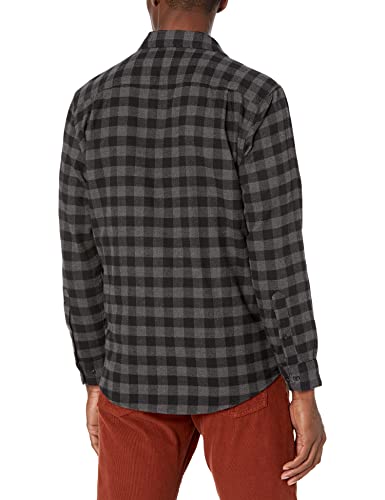
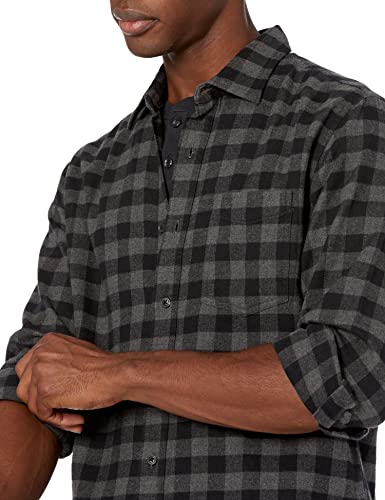
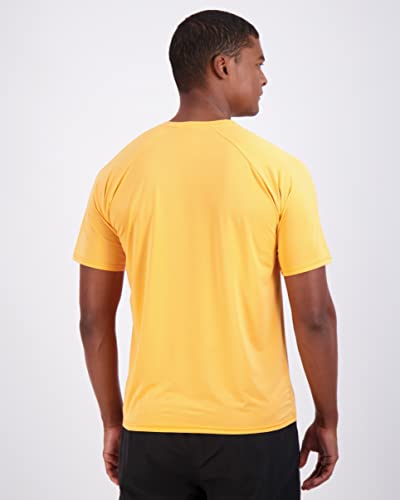
To build a complete wardrobe, you must categorize your shirts by their intended use. Casual shirts often feature patterned fabrics like flannel or chambray, or simple jersey knits for a t-shirt feel. These are meant to be worn untucked. Dress shirts, conversely, feature stiffer collars and smoother finishes intended to be tucked into trousers. A key tip for versatility is the collar style. A button-down collar is inherently more casual and works well for business-casual settings, while a spread collar is more formal and pairs better with a necktie. If you want a single shirt that can transition from a morning meeting to a casual dinner, opt for a mid-weight oxford in a neutral color like light blue or white.
Durability and Maintenance Expectations
Since essential shirts are designed for high-frequency rotation, you must consider how they will age. Look for reinforced stitching at the seams and buttons, particularly around the collar and cuffs. Check the opacity of the fabric. If a shirt is so thin that it is translucent, it will likely lose its shape quickly. Additionally, consider your lifestyle regarding laundry. If you prefer to avoid ironing, prioritize wrinkle-resistant blends. If you prefer a crisp, sharp look, stick to high-quality cottons that respond well to steam. A good rule of thumb is that a quality essential shirt should maintain its collar integrity and color saturation for at least twenty to thirty wash cycles before showing significant signs of wear.