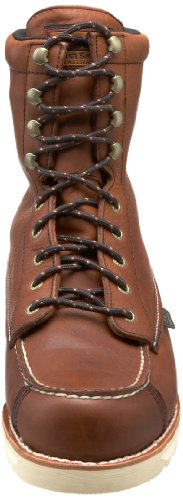
Prioritize Construction Method: Goodyear Welt vs. Cemented
The single most important factor in determining the longevity of an Irish Setter shoe is how the upper is attached to the sole. For those seeking true heirloom quality, look for models featuring a Goodyear welt. This construction method involves a strip of leather being stitched to both the upper and the insole, creating a highly water-resistant bond and, more importantly, making the shoe resolable. When the tread eventually wears down, a cobbler can replace the sole without damaging the upper. If you are looking for a lighter, more flexible option for casual walking, you may encounter cemented construction, which uses adhesives. While more comfortable out of the box, these are significantly harder to repair once the bond fails.
Understanding Outsole Traction and Terrain
Irish Setter is renowned for its ability to transition from urban environments to rugged landscapes, but you must choose your outsole based on your primary use case. If your lifestyle involves heavy hiking or walking on loose gravel and mud, prioritize models equipped with deep, multi-directional lugs. These provide the mechanical grip necessary to prevent slips on uneven surfaces. Conversely, if you intend to wear your shoes in professional or semi-formal settings, look for lugged soles that are low-profile or 'Vibram' style outsoles that offer high-performance traction without looking overly aggressive. A thicker, more aggressive lug pattern offers better shock absorption but can feel heavy during long periods of standing on hard pavement.
Material Selection: Full-Grain Leather vs. Suede
The upper material dictates both the maintenance requirements and the lifespan of the shoe. Most premium Irish Setter options utilize full-grain leather, which is the strongest and most durable part of the hide. Full-grain leather develops a unique patina over time and provides excellent natural water resistance when treated properly. This is the ideal choice for those who want a shoe that 'ages in.' If you prefer a softer, more immediate comfort and a more casual, rugged aesthetic, suede or nubuck options are excellent. However, be aware that suede requires more frequent cleaning and specialized waterproofing sprays to prevent staining and water damage from the elements.
Fit, Support, and Internal Cushioning
Because Irish Setter shoes are often built on substantial lasts (the foot molds used during manufacturing), the fit can feel different from a standard sneaker. Look for a wide toe box if you have a broader foot. This prevents the pinching that often occurs during long treks. Additionally, pay attention to the internal support system. High-quality models will feature arch support and padded collars to prevent heel slippage. If you plan on using these for extended periods of walking, ensure the midsole provides enough density to absorb impact, reducing fatigue in your knees and lower back. A well-fitted Irish Setter should feel secure around the midfoot while allowing your toes to splay naturally.