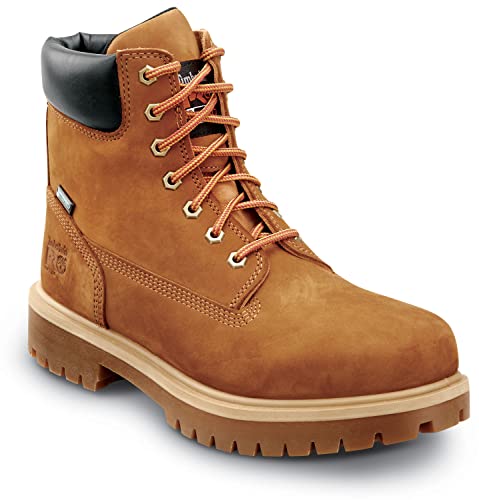
Prioritize Safety Standards and Toe Protection
The most critical decision factor when selecting Timberland Pro footwear is the level of impact protection required for your specific job site. Most professionals look for integrated toe protection to safeguard against falling objects or compression. You will generally find two main types: steel toes and composite toes. Steel toes offer the highest level of puncture and impact resistance but can feel heavier and conduct temperature more readily. Composite toes, made from non-metallic materials, are lighter and provide better thermal insulation, making them ideal for those working in extreme cold or environments where metal detectors are a concern. Always verify that the specific model meets the necessary safety certifications relevant to your industry.
Analyze Outsole Traction and Slip Resistance
In industrial settings, a slip is more than an inconvenience. It is a safety hazard. Timberland Pro is renowned for its specialized outsole technology designed to grip oily, wet, or uneven surfaces. When browsing the category, look for outsoles featuring deep lug patterns that facilitate self-cleaning—meaning they shed mud and debris as you walk rather than letting it clog the tread. If you work primarily on smooth, polished concrete, prioritize models specifically rated for slip resistance (often labeled as slip-resistant outsoles) to ensure maximum friction and stability.
Focus on Internal Support and Anti-Fatigue Technology
What sets high-end work shoes apart from budget alternatives is the internal architecture. Because professional footwear is often worn for 8 to 12 hours at a time, look for models featuring proprietary anti-fatigue technology. This usually involves a specialized midsole designed to absorb shock and return energy to the foot with every step. Additionally, consider the arch support and heel cushioning. A shoe that lacks a structured footbed will lead to plantar fasciitis or general lower back pain over time. Look for breathable linings that manage moisture, as foot perspiration can lead to discomfort and blisters during high-intensity labor.
Material Durability and Weatherproofing
The exterior of your shoe must withstand abrasion, chemicals, and moisture. Full-grain leather is the gold standard for durability, as it naturally resists scuffs and can be treated to repel water. If your work environment involves frequent exposure to rain, snow, or puddles, ensure the shoe features a waterproof membrane. This allows sweat to escape while preventing external moisture from soaking through. Avoid lightweight synthetic materials if your primary goal is longevity in harsh environments, as they tend to wear down much faster under the stress of heavy-duty use.
The Importance of Fit and Break-in Period
A common mistake is purchasing work shoes that are too tight, assuming they will 'stretch' to fit. While leather does soften, a shoe that is too narrow in the toe box will cause significant discomfort once your feet naturally swell throughout a workday. Always opt for a fit that allows for natural toe splay while maintaining a secure heel lock. Keep in mind that many professional-grade shoes require a brief break-in period to allow the specialized midsoles and stiff outsoles to conform to your gait.